


Aquaculture has become one of the most important food-producing industries in the world. As the global population continues to grow and the demand for healthy protein sources increases, fish farming and other forms of aquaculture are expanding rapidly across Asia, Africa, Europe, South America, and North America. This growth has created a significant demand for high-quality aquatic feed, making feed manufacturing one of the most critical sectors supporting modern aquaculture.
Feed represents the largest operating expense in most aquaculture businesses, often accounting for 50% to 70% of total production costs. Because feed quality directly affects fish growth, feed conversion ratio, survival rate, disease resistance, and profitability, understanding the raw materials used in aquatic feed is essential for feed manufacturers, fish farmers, and investors alike.
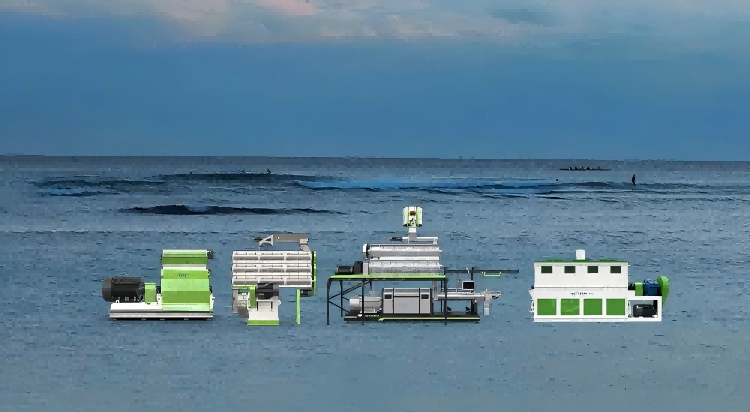
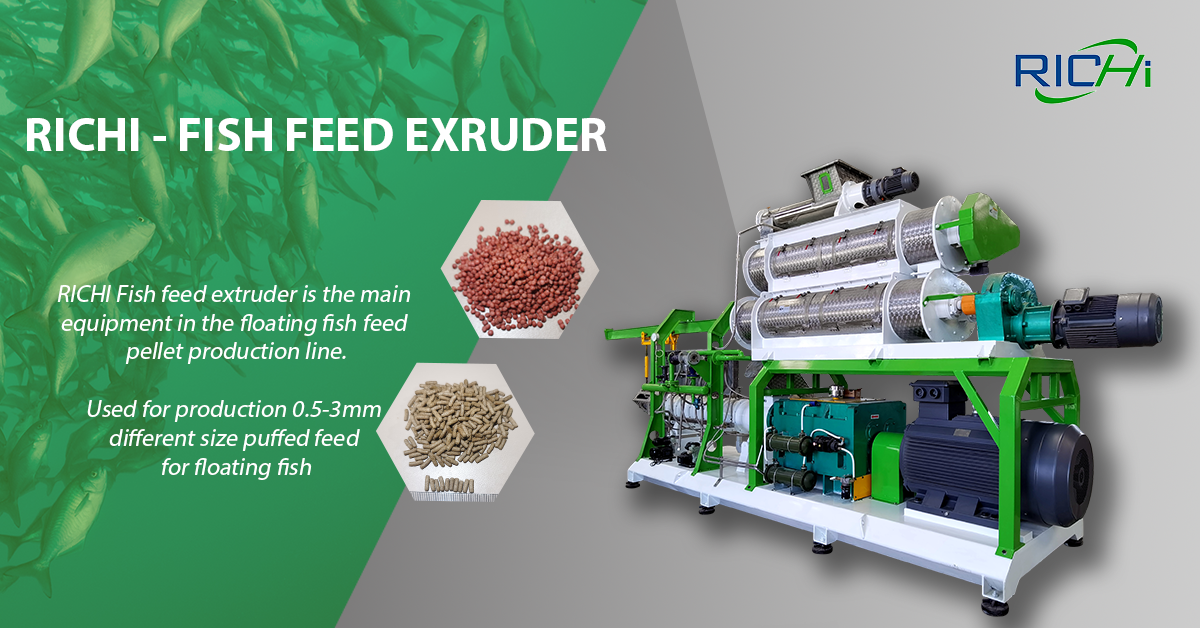
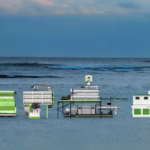
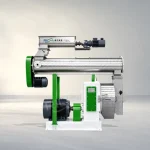
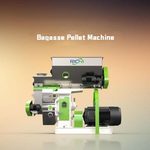
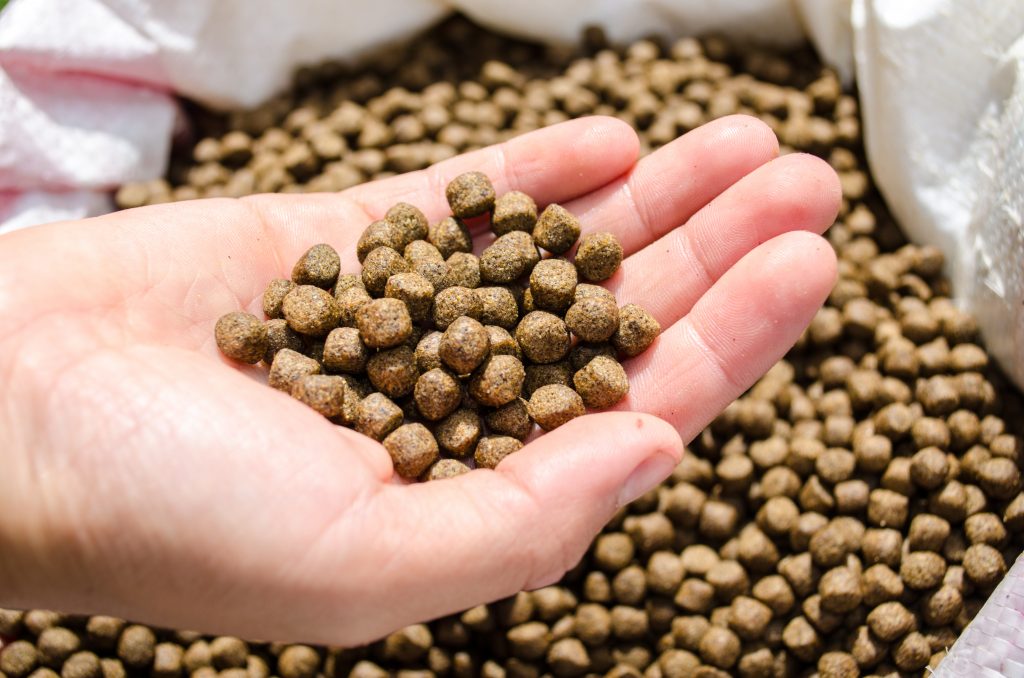
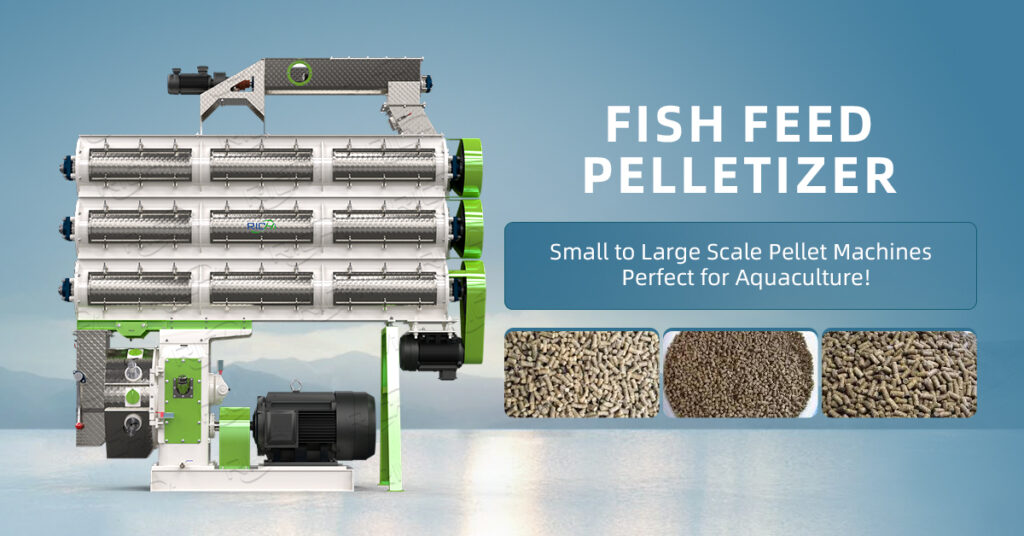
Modern aquatic feed is formulated using a wide variety of ingredients that provide proteins, carbohydrates, fats, vitamins, minerals, amino acids, enzymes, and functional additives. These raw materials are carefully selected and combined to meet the nutritional requirements of different aquatic species. After formulation, they are processed through grinding, mixing, conditioning, pelleting, extrusion, drying, and cooling systems. Specialized equipment such as a fish pellet machine transforms these ingredients into high-quality pellets that can be efficiently consumed by fish and other aquatic animals.
The choice of raw materials depends on many factors, including species requirements, ingredient availability, nutritional value, digestibility, sustainability, and cost. As aquaculture continues to evolve, feed manufacturers are constantly searching for innovative ingredients that improve performance while reducing production costs and environmental impact.
Protein ingredients are the foundation of aquatic feed production. Fish require protein for muscle growth, tissue repair, enzyme production, hormone synthesis, and overall development. Protein is generally the most expensive component of feed formulations, making its selection particularly important.
Fish meal has long been considered the gold standard protein source in aquaculture feed. Produced from processed marine fish, fish meal contains highly digestible protein, balanced amino acids, essential fatty acids, vitamins, and minerals. Its excellent nutritional profile makes it especially valuable for carnivorous species such as salmon, trout, seabass, and grouper.
One of the major advantages of fish meal is its high digestibility. Fish can efficiently utilize the nutrients contained in fish meal, resulting in better growth rates and feed conversion efficiency. In addition, fish meal contains natural attractants that improve feed palatability, encouraging feed intake among cultured species.
However, fish meal is also one of the most expensive feed ingredients. Concerns about sustainability and fluctuating supply have encouraged feed manufacturers to reduce dependence on fish meal and explore alternative protein sources.
Soybean meal is currently one of the most widely used protein ingredients in aquatic feed production. It is produced as a by-product of soybean oil extraction and contains high protein levels, good amino acid balance, and relatively low cost. Soybean meal is especially popular in feeds for tilapia, carp, catfish, and other omnivorous fish species.
Advances in soybean processing technologies have improved nutrient availability and reduced anti-nutritional factors. As a result, soybean meal has become one of the most important alternatives to fish meal in modern aquaculture feeds.
Cottonseed meal is another plant-based protein source commonly used in aquatic feed. It contains moderate to high protein levels and can partially replace more expensive ingredients. Cottonseed meal is particularly attractive in regions where cotton production is significant.
However, cottonseed meal contains gossypol, a naturally occurring compound that can negatively affect animal performance when included at excessive levels. Feed manufacturers must carefully manage inclusion rates to ensure optimal results.
Rapeseed meal is gaining popularity as a protein ingredient due to its availability and competitive pricing. Produced during canola oil extraction, rapeseed meal contains valuable protein and energy. Although anti-nutritional factors may limit its use in some species, modern processing techniques have significantly improved its nutritional value.
Sunflower meal is another useful protein source. As a by-product of sunflower oil production, it provides moderate protein levels and can help reduce feed costs. While its fiber content is relatively high, sunflower meal remains an important ingredient in many feed formulations.
Peanut meal, produced from peanut oil extraction, serves as a valuable protein ingredient in regions where peanuts are widely cultivated. It offers good protein levels and favorable amino acid composition. However, strict quality control measures are required to prevent contamination by aflatoxins, which can negatively impact fish health.
Animal-derived protein sources beyond fish meal also play important roles in aquatic feed production. Poultry by-product meal has become increasingly common due to its high protein content and relatively low cost. It is produced from processed poultry tissues and can effectively replace a portion of fish meal in many formulations.
Blood meal is another high-protein ingredient that contains significant amounts of lysine and other amino acids. It can be used strategically to improve the amino acid profile of feed formulations. Similarly, meat and bone meal provides protein, calcium, and phosphorus, making it a useful ingredient in certain feeds.
Feather meal is produced through the hydrolysis of poultry feathers and contains high protein levels. Although its digestibility varies depending on processing methods, feather meal can contribute valuable nutrients when used appropriately.
One of the most exciting developments in aquatic feed production is the emergence of insect protein. Insects naturally form part of the diet of many fish species, making them a logical ingredient for aquaculture feeds.
Black soldier fly larvae meal has attracted particular attention due to its excellent nutritional characteristics. It contains high-quality protein, beneficial fats, and valuable micronutrients. Furthermore, black soldier fly larvae can be produced using organic waste streams, contributing to sustainable agricultural practices.
Mealworm protein and cricket meal are also being explored as alternative protein sources. These ingredients offer high digestibility and environmental benefits compared with traditional protein sources.
Microbial proteins represent another innovative category of feed ingredients. These proteins are produced through fermentation processes involving bacteria, yeast, algae, or fungi. Single-cell proteins offer consistent quality, high protein concentrations, and reduced dependence on agricultural land and marine resources.
Algae-based proteins are particularly promising because they can provide both protein and omega-3 fatty acids. As technology advances and production costs decrease, microbial proteins are expected to play an increasingly important role in aquatic feed formulations.
While protein receives significant attention, energy ingredients are equally important. Fish require energy for swimming, metabolism, growth, reproduction, and immune function. Feed manufacturers use carbohydrates and fats to supply this energy.
Corn is one of the most widely used energy ingredients in aquatic feed production. It provides starch, energy, and some protein while contributing to pellet formation. Ground corn is commonly included in feeds for tilapia, catfish, carp, and other freshwater species.
Wheat serves both as an energy source and a binding ingredient. The starch contained in wheat improves pellet durability and water stability. Wheat flour is particularly useful during processing because it helps produce high-quality pellets when operating a fish pellet machine.
https://richipelletizer.com/fish-feed-pellet-making-machine
Rice bran is another valuable energy ingredient. As a by-product of rice milling, it contains carbohydrates, fats, vitamins, and minerals. Rice bran is widely available in many aquaculture-producing regions and contributes to cost-effective feed production.
Cassava flour has become increasingly important in countries where cassava is abundant. Its high carbohydrate content makes it an excellent energy source, and its relatively low cost helps reduce overall feed expenses.
Wheat bran is frequently incorporated into aquatic feed formulations. It provides energy, moderate protein levels, and fiber. Although excessive fiber can reduce digestibility, carefully controlled inclusion rates can support digestive health.
Sorghum is another cereal grain used in aquatic feed. It offers nutritional characteristics similar to corn and may be utilized when local availability or pricing provides an economic advantage.
Fats and oils are concentrated sources of energy and essential fatty acids. They are critical components of modern aquatic feed formulations because they improve energy density and support physiological functions.
Fish oil remains one of the most valuable lipid sources. Rich in omega-3 fatty acids such as EPA and DHA, fish oil supports growth, immune function, reproductive performance, and product quality. These fatty acids are particularly important in feeds for marine fish and salmonids.
However, limited supply and rising costs have encouraged greater use of vegetable oils. Soybean oil, sunflower oil, palm oil, canola oil, and corn oil are increasingly incorporated into aquatic feeds.
Palm oil is especially attractive due to its widespread availability and competitive pricing. It provides substantial energy while contributing to pellet quality and stability.
Soybean oil offers a favorable fatty acid profile and is commonly used in both freshwater and marine feed formulations. Canola oil is another popular choice because of its balanced composition and nutritional benefits.
Minerals are essential for numerous biological processes. They support skeletal development, enzyme function, osmoregulation, blood formation, and metabolic activity.
Calcium carbonate is commonly included in aquatic feeds to provide calcium. This mineral is essential for bone development and physiological regulation.
Dicalcium phosphate supplies both calcium and phosphorus. Phosphorus is especially important because deficiencies can result in poor growth, skeletal abnormalities, and reduced feed efficiency.
Salt contributes sodium and chloride, which play important roles in electrolyte balance and physiological function.
Trace minerals such as zinc, copper, manganese, iron, selenium, cobalt, and iodine are required in small amounts but are critical for health and performance. Most feed manufacturers incorporate trace mineral premixes to ensure consistent nutrient delivery.
Vitamin supplementation is another crucial aspect of aquatic feed production. Vitamins participate in countless metabolic reactions and support growth, immunity, stress resistance, and reproduction.
Vitamin A supports vision, growth, and epithelial tissue health. Vitamin D regulates calcium metabolism and skeletal development. Vitamin E functions as an antioxidant that protects cellular membranes from oxidative damage. Vitamin K contributes to blood clotting and physiological regulation.
Water-soluble vitamins are equally important. Vitamin C plays a particularly significant role in aquaculture because fish cannot synthesize sufficient quantities on their own. Adequate vitamin C supports immune function, collagen formation, wound healing, and stress resistance.
B-complex vitamins such as thiamine, riboflavin, niacin, pantothenic acid, pyridoxine, folic acid, biotin, and vitamin B12 contribute to energy metabolism and cellular function.
Amino acids are frequently supplemented to optimize feed formulations. Even when protein levels are adequate, deficiencies in specific amino acids can limit growth.
Lysine is often added because many plant protein ingredients contain insufficient levels. Methionine supplementation is also common, particularly in feeds with high soybean meal inclusion rates.
Threonine, tryptophan, arginine, and valine may also be supplemented depending on formulation requirements.
Functional feed additives have become increasingly important in modern aquaculture nutrition. These ingredients provide benefits beyond basic nutrition and help improve production performance.
Probiotics contain beneficial microorganisms that support digestive health and improve nutrient utilization. Common probiotic strains include Bacillus, Lactobacillus, and Saccharomyces species.
Prebiotics serve as food sources for beneficial intestinal bacteria. By promoting a healthy gut microbiome, prebiotics can improve feed efficiency and disease resistance.
Enzymes enhance nutrient digestibility by breaking down complex feed components. Phytase is particularly valuable because it improves phosphorus availability from plant ingredients, reducing both feed costs and environmental impacts.
Protease enzymes improve protein digestion, while carbohydrase enzymes help fish utilize plant-derived carbohydrates more effectively.
Antioxidants protect feed ingredients from oxidation during storage and transportation. They preserve nutritional quality and improve shelf life.
Pigments are commonly used in salmon, trout, shrimp, and ornamental fish feeds. Astaxanthin and canthaxanthin are among the most widely used pigments because they enhance coloration and market value.
Immunostimulants such as beta-glucans, nucleotides, herbal extracts, and yeast derivatives help strengthen disease resistance and reduce mortality rates.
Feed attractants are often included to improve feed intake. Fish hydrolysates, squid meal, krill meal, and certain amino acids stimulate feeding behavior and enhance palatability.
Binders are critical ingredients that improve pellet durability and water stability. Aquatic feeds must remain intact long enough for fish and shrimp to consume them.
Wheat gluten is one of the most effective natural binders available. Starches, lignosulfonates, and specialized commercial binders are also widely used.
The performance of a fish pellet machine is heavily influenced by ingredient composition. Proper levels of starch, protein, moisture, and binding materials are essential for producing durable pellets with consistent quality.
Shrimp feed production often requires even greater water stability than fish feed production. Shrimp feed pellets may need to remain intact for several hours, making binder selection particularly important.
Quality control begins long before ingredients enter the production line. Feed manufacturers routinely inspect raw materials for moisture content, nutrient composition, contaminants, toxins, and microbial quality.
Proper storage conditions are equally important. Excessive moisture, high temperatures, and poor ventilation can reduce ingredient quality and increase spoilage risks.
After quality verification, ingredients are ground into fine particles, mixed according to formulation specifications, and conditioned with steam. The conditioned mash then enters the fish pellet machine, where it is compressed into pellets.
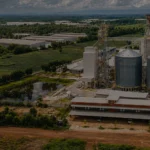
The finished pellets are subsequently dried, cooled, screened, and packaged. Throughout this process, manufacturers continuously monitor product quality to ensure consistency and customer satisfaction. (Learn more about modern aqua feed plant)
The future of aquatic feed ingredients is likely to be shaped by sustainability concerns, technological innovation, and increasing demand for seafood. Alternative proteins, novel lipid sources, precision nutrition, and advanced feed additives will continue transforming the industry.
In conclusion, aquatic feed production depends on a complex combination of raw materials that work together to provide balanced nutrition. Protein ingredients such as fish meal, soybean meal, poultry meal, insect meal, and microbial proteins support growth and development. Energy ingredients including corn, wheat, rice bran, cassava, and oils provide fuel for metabolic activity. Vitamins, minerals, amino acids, binders, enzymes, probiotics, and functional additives contribute to health, feed efficiency, and product quality. Through careful ingredient selection and processing using advanced equipment such as a fish feed pellet machine, feed manufacturers can produce high-performance aquatic feeds that support the continued growth and sustainability of the global aquaculture industry.