


Introduction: Why Wood Waste Is Becoming a New Energy Resource
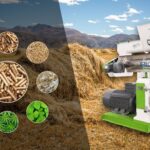
Across forestry and agricultural industries, wood residues such as chips, branches, and bark are often treated as waste. However, with rising energy costs and environmental regulations, these materials are now considered valuable biomass resources. A wood chip pellet machine transforms these loose, irregular materials into dense, high-energy pellets suitable for fuel and industrial use.
This shift not only reduces environmental burden but also creates new income streams for biomass processors and farmers.
How Wood Chip Pelletization Works
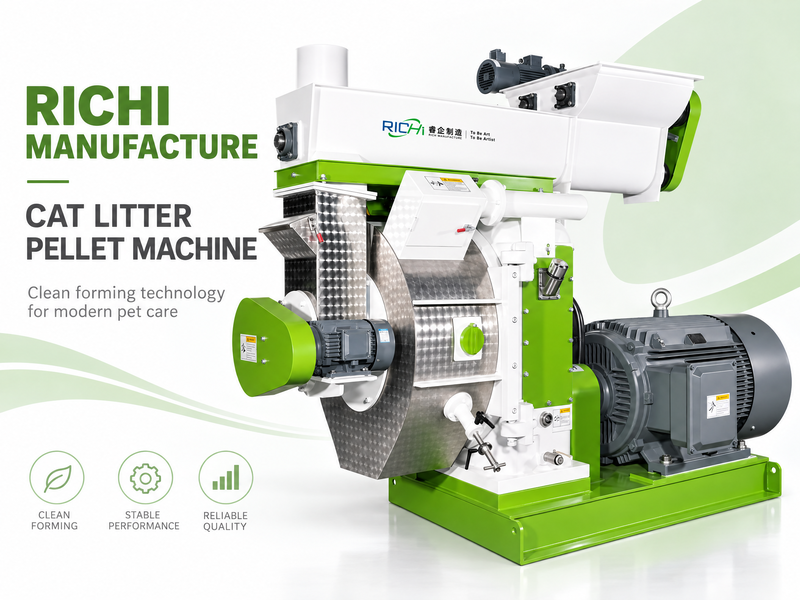
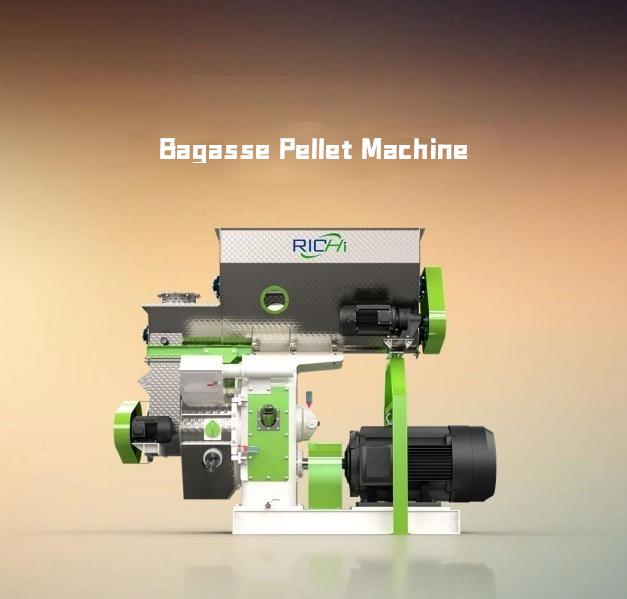
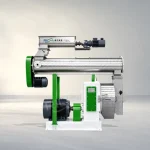
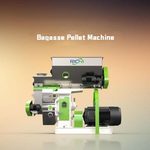
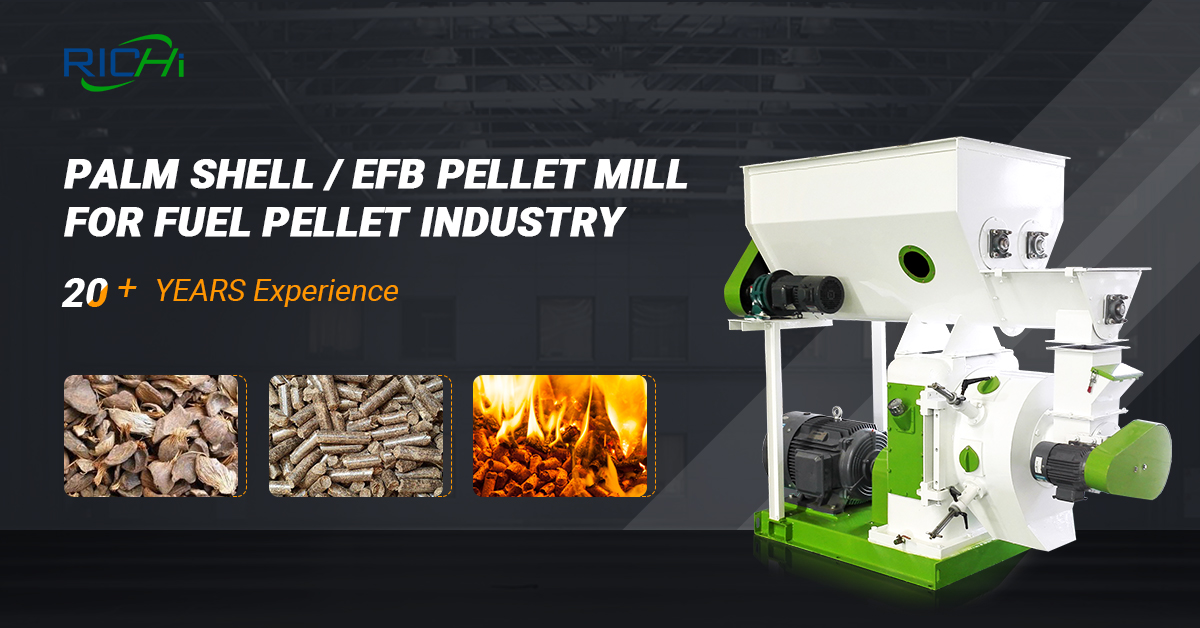
The pelletizing process begins with raw wood chips being crushed, dried, and conditioned to reach optimal moisture levels. Once prepared, the material is fed into a pelletizing chamber where rollers and a die compress it under high pressure.
During this process, natural lignin in the wood acts as a binder, eliminating the need for chemical additives. The result is a compact, uniform pellet with high calorific value and stable combustion performance.
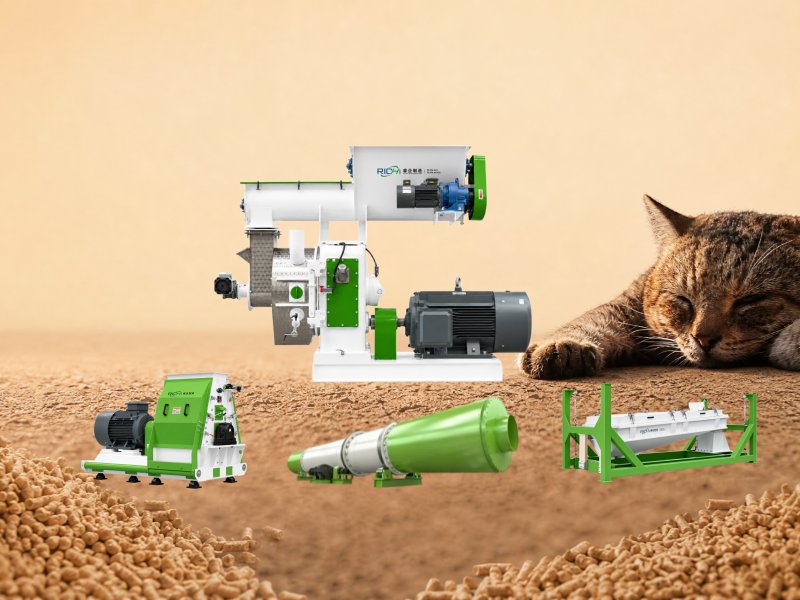
For different raw materials, specialized machines are often required. For example, a peanut shell pellet machine is designed to handle lighter agricultural residues, while a sawdust pellet machine for sale is widely used for fine wood powders and furniture industry waste.
Key Advantages of Wood Chip Pellet Machines
Modern biomass pellet systems offer multiple benefits for producers and energy suppliers:
1. Efficient Waste Utilization
Instead of burning or discarding wood waste, it is converted into clean fuel, reducing pollution and maximizing resource efficiency.
2. High Energy Output
Wood pellets produced have high density and low moisture, resulting in efficient combustion and stable heat output.
3. Cost-Effective Production
Raw materials are often freely available from forestry operations, sawmills, or construction sites, making production highly profitable.
4. Easy Storage and Transportation
Compared to bulky wood chips, pellets take up less space and are easier to transport over long distances.
Applications in Biomass Energy Industry
Wood pellets are widely used in residential heating systems, industrial boilers, and power plants. Their clean-burning nature makes them a preferred alternative to coal in many regions.
To better understand machine options, production setups, and technical configurations, users can explore detailed resources and product information across various sites, where different pellet machine models and solutions are introduced.
These platforms help investors compare capacities, raw material compatibility, and energy efficiency levels before making a decision.
Industrial Technology and Manufacturer Support
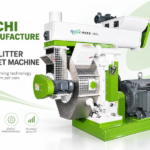
Advanced pellet production requires precision engineering. Leading manufacturers like Richi Machinery focus on improving machine durability, automation, and energy efficiency. Their equipment is designed for continuous operation in large-scale biomass plants, ensuring stable output even under heavy workloads.
Features such as automatic lubrication systems, intelligent temperature control, and wear-resistant dies significantly extend machine lifespan and reduce maintenance costs.
Economic and Environmental Benefits
Investing in a wood chip pellet system provides dual advantages:
- Environmental protection by reducing open burning of wood waste
- Revenue generation through biomass fuel sales
- Energy independence for rural and industrial users
- Job creation in biomass processing sectors
As governments continue to promote renewable energy, biomass pellets are becoming a strategic energy source in global markets.
Future Outlook of Wood Pellet Technology
The demand for biomass energy is expected to grow steadily as industries shift toward carbon-neutral production. Future pellet machines will likely integrate AI-based monitoring systems, remote diagnostics, and higher automation levels to further improve efficiency and reduce operational costs.