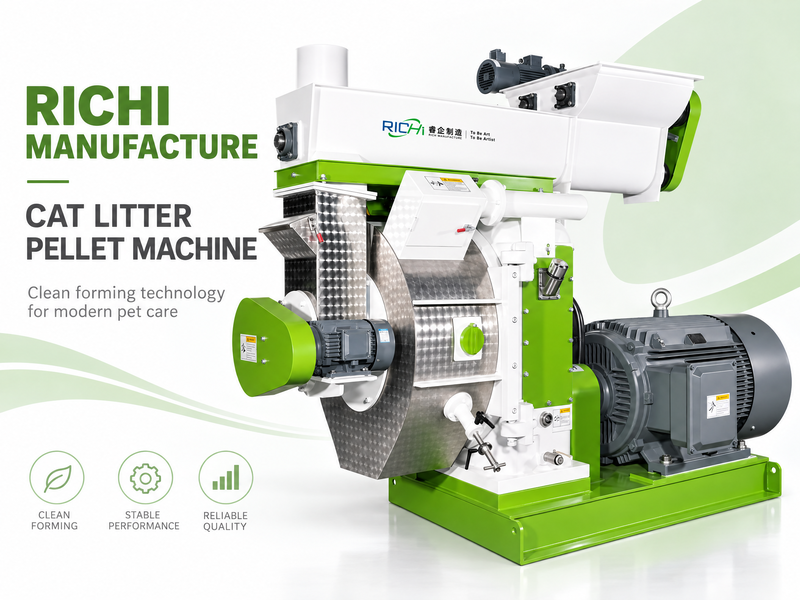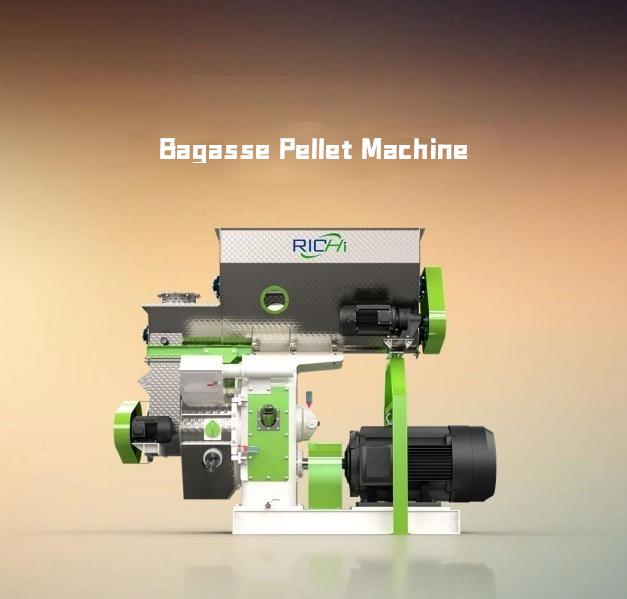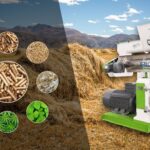
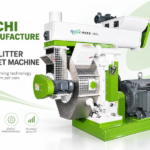
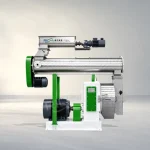


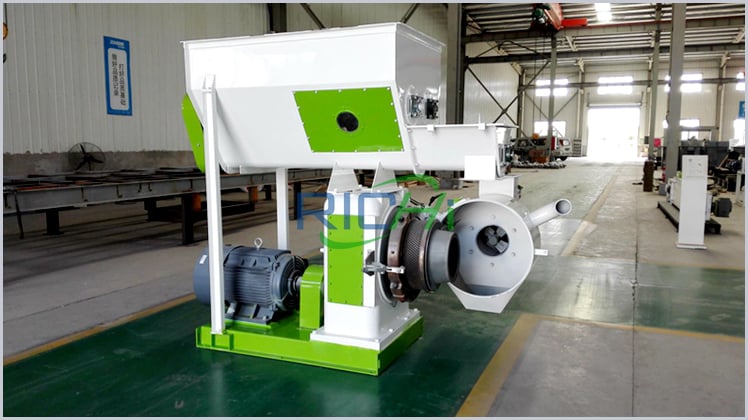
As the global demand for clean energy continues to grow, biomass pelletization has emerged as one of the most practical and scalable solutions for converting organic waste into usable fuel. At the heart of this process is the biomass pellet press, a machine engineered to compress raw biomass materials under high pressure and temperature, forming dense, uniform pellets that burn efficiently and store easily.
What Is a Biomass Pellet Press and How Does It Work?
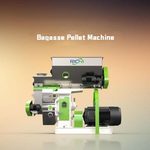
A biomass pellet press operates by feeding raw materials — such as wood chips, straw, rice husks, or corn stalks — into a conditioning chamber where moisture and temperature are regulated. The material is then forced through precision-engineered die holes by rotating rollers, emerging as compact cylindrical pellets. The friction-generated heat causes lignin in the biomass to act as a natural binder, eliminating the need for chemical additives in most applications.
The quality of the final product depends heavily on the machine design, die specifications, and the consistency of raw material preparation. Understanding these variables is essential before investing in a biomass pellet making plant or scaling up an existing operation.
Setting Up a Biomass Pellet Making Plant
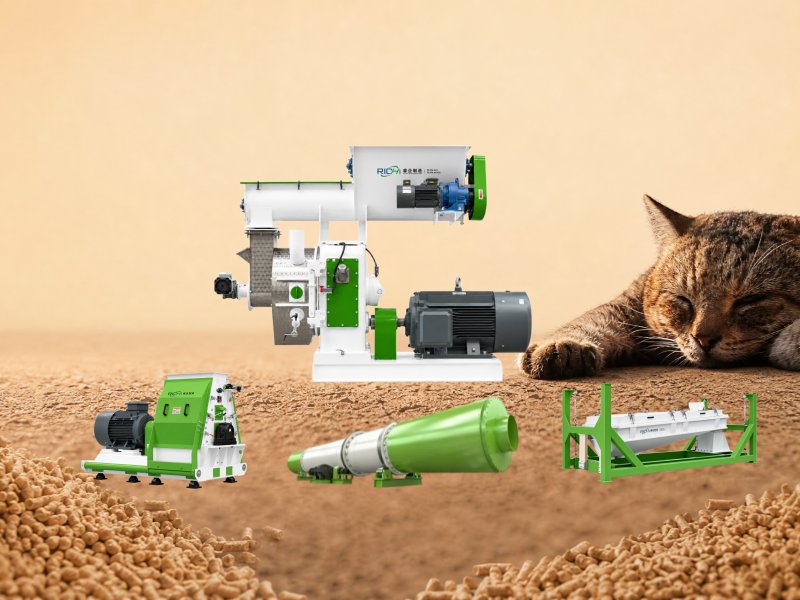
Building a complete biomass pellet making plant involves more than just selecting a press. A full production line typically includes a chipper or hammer mill for size reduction, a dryer to achieve optimal moisture content (usually 10–15%), a pellet press, a cooler, a screener, and a packaging system. The layout and capacity of each component must be carefully balanced to avoid bottlenecks and maximize throughput.
For businesses exploring investment options or sourcing professional equipment advice, it is worthwhile to click reference resources from industry experts who can provide technical consultations, capacity calculations, and site-specific recommendations. Accessing verified guidance before committing to large capital expenditures can save significant time and cost.
Choosing the Right Equipment Manufacturer
Not all pellet press manufacturers offer the same level of engineering quality, after-sales support, or customization capability. When evaluating suppliers, key criteria include die material grade (X46Cr13 alloy steel is preferred), roller adjustment mechanisms, gearbox quality, and the availability of spare parts globally.
RICHI Machinery is a well-established manufacturer in the biomass pelletization industry with decades of experience designing and delivering complete pellet production solutions across multiple continents. Their product portfolio spans small-scale farm units to industrial-grade systems processing tens of tonnes per hour, making them a versatile partner for projects of varying scale.
Key Factors Affecting Pellet Press Performance
Several operational parameters influence the output quality and machine lifespan of a biomass pellet press:
- Raw Material Moisture: Excess moisture causes poor pellet cohesion, while overly dry material increases die wear.
- Die Compression Ratio: The ratio of die hole length to diameter must match the material’s density and fiber structure.
- Roller Gap Adjustment: Incorrect gaps cause uneven wear and inconsistent pellet density.
- Feed Rate Consistency: Irregular feeding leads to fluctuating output quality and potential die clogging.
Routine maintenance schedules, proper lubrication, and periodic die replacement are all critical to sustaining long-term output efficiency.
Environmental and Economic Benefits
Beyond energy production, biomass pelletization contributes meaningfully to waste reduction. Agricultural residues and wood processing byproducts that would otherwise decompose or be burned openly are converted into a standardized, high-value commodity. Pellets produced by a well-configured biomass pellet making plant can replace coal in industrial boilers, reducing carbon emissions while generating revenue from waste streams.
The economics are compelling: raw biomass materials are often low-cost or even free, while finished pellets command premium market prices in both domestic and export markets.
Conclusion
Investing in a high-quality biomass pellet press represents a strategic move for businesses seeking to capitalize on the renewable energy transition. From individual machine selection to complete plant design, working with experienced manufacturers like RICHI Machinery and leveraging technical references — don’t hesitate to click reference for expert guidance — ensures that your pelletization project is built on a solid foundation of engineering excellence and operational reliability.
https://www.richimanufacture.com/biomass-pellet-making-machine/