




Mixed livestock farms are common in many parts of the world, and for good reason. Raising goats alongside cattle, sheep, poultry, or pigs spreads risk. If one market is weak, another may hold up. If one species has a bad season, the others can carry the farm through. Diversity is a practical strategy, not a romantic one.
But diversity creates a feed problem. Different species have different nutritional needs. A goat ration is not a cattle ration. A poultry ration is not a pig ration. Feed mills solve this by running separate formulas on separate lines. Small and mid-sized farms rarely have that option. They have one feed storage area, one mixing area, and often one processing machine.
The question then becomes whether a single feed system can serve multiple species without compromising nutrition. The answer is yes, but only with careful planning. The machine has to handle different ingredient types. The formulas have to be managed separately even if they share equipment. And the workflow has to prevent cross-contamination and mistakes.
That is where a goat feed pelletizer fits into a broader farm strategy. It is not just a goat machine. In a mixed operation, it becomes part of a shared feed production system that has to be flexible enough for several rations and disciplined enough to keep them separate.
This article looks at what that actually requires. It covers why mixed farms struggle with feed, how pelleting helps, what changes when one machine serves several species, and how to plan a system that stays manageable as the farm grows.
Why Mixed Farms Struggle With Feed
The core problem is that different species digest feed differently. Goats, sheep, and cattle are ruminants. They ferment fiber in the rumen and can use forage as the base of their diet. Pigs and poultry are monogastric. They cannot digest fiber the same way and need more concentrated energy and protein sources.
That difference shapes everything. A ruminant ration can include large amounts of grass, hay, or crop residue. A pig ration cannot. A poultry ration needs specific amino acid balance and often includes limestone for eggshell quality. A goat ration needs fiber for rumen health but also enough energy for milk or growth.
If you feed one ration to all species, you either overfeed some or underfeed others. Overfeeding wastes money. Underfeeding costs performance. Neither is acceptable in a farm that depends on margins.
The second problem is equipment. Most small farms cannot justify a separate mill for each species. They have one hammer mill, one mixer, and one pelletizer. That means formulas have to be run sequentially, with cleaning between batches. If that cleaning is skipped, residues from one formula end up in another. For medicated feeds or species with strict dietary limits, that is a serious issue.
The third problem is storage. Ingredients for different rations take up space. Finished feed for different species has to be kept separate and labeled clearly. On a busy farm, mix-ups happen. A bag of goat pellets ends up in the pig trough, and the results range from wasted feed to digestive upset.
The fourth problem is labor. Running multiple formulas on one machine takes time. Each batch requires setup, mixing, pelleting, cooling, and cleanup. A farm that runs five formulas a week spends a lot of hours on feed production, and those hours compete with animal care and other work.
How Pelleting Helps a Mixed Operation
Pelleting does not solve every problem in a mixed farm, but it solves several important ones.
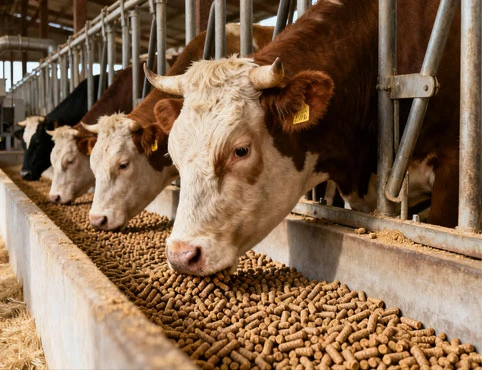
Uniformity is the first. A pellet locks the formula together. Animals cannot sort it. That matters more in mixed operations because a single mistaken bag of feed can cause problems across a species that was not supposed to receive it. Pellets make the ration visually and physically distinct, which reduces confusion.
Waste reduction is the second. Loose meal is easily spilled, trampled, and sorted. Pellets are not. In a mixed farm where feed moves between species and storage areas, reducing waste at every step adds up.
Storage and handling are the third. Pellets flow and stack well. They can be bagged and labeled clearly. That makes it easier to keep different rations separate and to track what was produced when.
Dust reduction is the fourth. Loose feed creates dust, which is a health issue for both animals and workers. Pellets largely eliminate that problem.
Digestibility is the fifth. The heat and pressure of pelleting can improve nutrient availability, particularly for starch and some fiber fractions. That benefit applies across species, though the degree varies.
None of this eliminates the need for careful formula management. A pellet made from the wrong formula is still the wrong feed. Pelleting simply makes it easier to keep formulas organized and to deliver them consistently.
One Machine, Several Rations
Using one pelletizer for multiple species is possible, but it requires discipline. The machine itself is usually capable. The challenge is in the workflow.
Batch sequencing is the first consideration. Formulas should be run in an order that minimizes contamination risk. For example, run plain ruminant rations before medicated or species-specific rations. If a medicated batch is run, follow it with a flush batch of inexpensive ingredient, such as ground grain, to clear the system.
Cleaning between batches is the second. Dies, rollers, and discharge areas retain material. A quick cleanout with compressed air or a brush reduces carryover. For strict formulas, a full cleanout may be necessary. The time cost is real, but it is smaller than the cost of a mistake.
Labeling and storage are the third. Finished pellets should be bagged or binned with clear labels showing species, formula, and production date. Color-coded bags or tags help. So does keeping separate storage areas for each species.
Record keeping is the fourth. A simple log of what was produced, when, and with what ingredients makes it easier to trace problems and to plan production. It also helps when more than one person operates the machine.
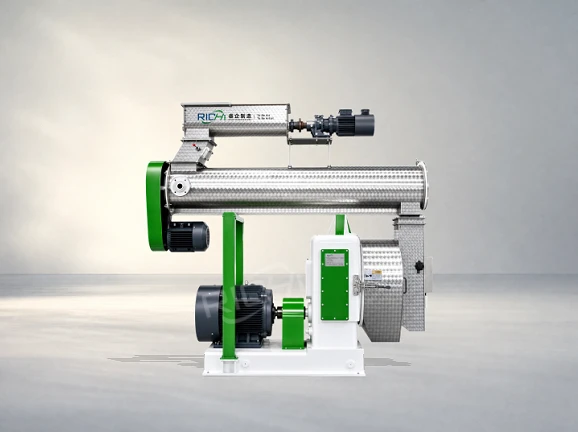
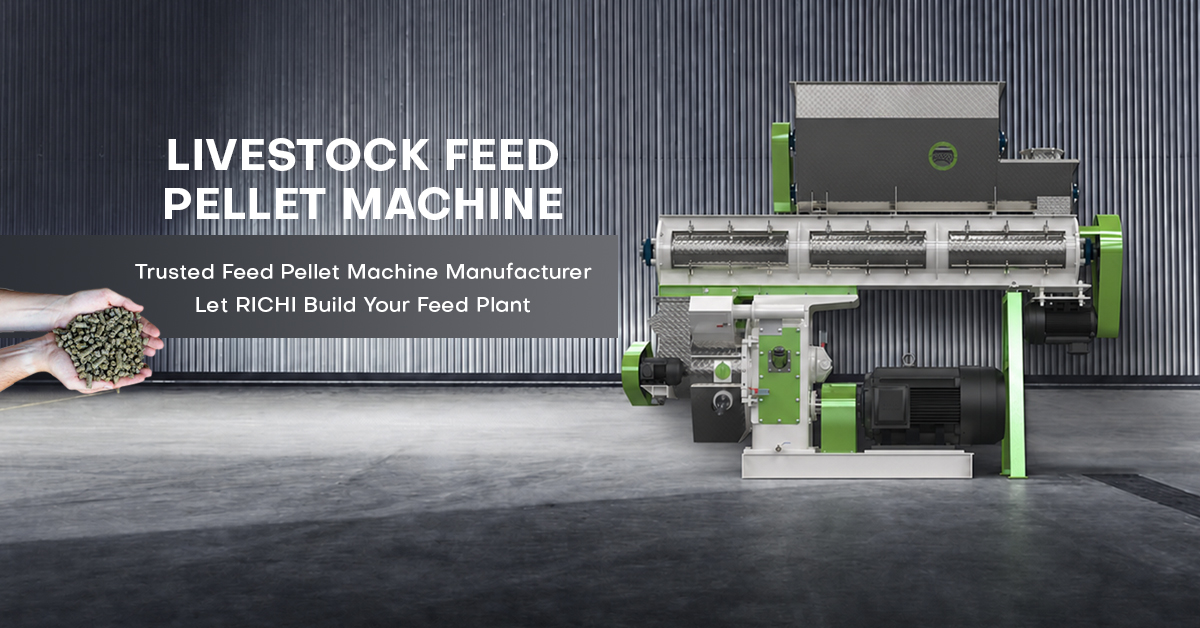
The goat feed pelletizer for mixed livestock feed category exists because farms need equipment that can handle this kind of variety. A machine that only performs well on one type of formula is not useful in a mixed operation. The equipment has to be flexible enough for different ingredient types and durable enough for frequent changeovers.
Matching the Machine to a Mixed Farm
Equipment selection in a mixed operation is more complex than in a single-species farm. Several factors matter.
Capacity has to be sized for total feed production, not just one species. If the farm produces two tons of feed per day across several species, the machine has to handle that volume, even if each individual batch is small.
Power supply has to be adequate for the hardest ingredient mix. High-fiber ruminant rations require more power to pelletize than grain-based rations. A machine sized for grain may struggle with forage. The power requirement should be based on the most demanding formula, not the easiest.
Die configuration has to be flexible. Different formulas require different compression ratios. A mixed farm may need more than one die, or a machine that allows quick die changes. This is one of the most common sources of frustration when a single machine is expected to serve several species.
Moisture control has to be manageable across formulas. High-fiber rations often need more moisture to pelletize well. High-grain rations need less. The operator has to understand these differences and adjust accordingly.
Maintenance and support matter even more in a mixed operation, because the machine runs more often and changes over more frequently. Dies wear faster when they are used for different formulas. Rollers need more frequent adjustment. Having spare parts and technical support available is not optional.
Richi Manufacture is one supplier that produces feed pellet equipment for agricultural use, including machines used in mixed livestock operations. For farms comparing options, reviewing the manufacturer’s range and support approach is a practical part of the decision. More detail on the equipment and how it is applied is available here: https://pelletmakermachine.com/feed-pellet-granulator/
Formulating for Multiple Species
Formula management is the heart of a mixed feed system. Each species needs its own ration, and each ration has to be built from ingredients the farm can source reliably.
Ruminant rations, for goats, sheep, and cattle, are built around forage. Grass, hay, silage, and crop residues form the base. Grain and protein supplements are added to meet energy and protein needs. Minerals and vitamins are included to correct deficiencies in the forage.
Goat rations in particular need attention to fiber. Goats are browsers and do best with a ration that includes a meaningful proportion of forage. A ration that is too concentrated can cause digestive problems. Many practical goat pellets include 30 to 50 percent forage material.
Sheep rations are similar but have specific mineral requirements, particularly for copper. Sheep are more sensitive to copper toxicity than goats or cattle, so mineral premixes must be chosen carefully.
Cattle rations vary enormously depending on whether the animals are dairy or beef, growing or finishing. A dry cow maintenance ration is very different from a lactating dairy ration.
Pig rations are built around energy and amino acid balance. Corn and soybean meal are common bases. Fiber inclusion is limited because pigs cannot digest it efficiently. Minerals and vitamins are added according to stage of production.
Poultry rations are the most concentrated. They need high protein and energy density, balanced amino acids, and adequate calcium for shell formation in laying hens. Fiber is kept low.
Managing all of these on one machine means keeping formulas organized and avoiding cross-contamination. It also means accepting that some formulas are easier to pelletize than others. Grain-based pig and poultry rations pelletize easily. High-forage ruminant rations are more difficult. The machine and the operator have to handle both.
Planning the Workflow
A mixed farm feed system works best when the workflow is planned in advance. Random batch production leads to mistakes, wasted time, and inconsistent feed.
A simple weekly schedule helps. Assign specific days or times to specific formulas. Run similar formulas together to reduce changeover time. Run medicated or specialized batches last, followed by a flush.
Ingredient staging is also important. Have the ingredients for each batch measured and ready before starting. That reduces downtime and mistakes.
Cooling and storage should be planned so that finished pellets from different formulas do not mix. Separate bins, bags, or labeled containers are essential.
Finally, keep records. Note what was produced, when, and for which species. Note any issues with the machine or the formula. Over time, these records help optimize the schedule and identify problems early.
When a Shared System Makes Sense
Not every mixed farm needs its own pelletizer. The investment only makes sense under certain conditions.
It makes sense when total feed volume is high enough to justify the equipment. A farm with a few goats and a few chickens does not need a pellet mill. A farm with several hundred animals across species may.
It makes sense when local ingredients are available at favorable prices. If ingredients must be purchased at retail, the savings from home production shrink.
It makes sense when labor is available to run the system. Pelleting takes time, especially when multiple formulas are involved. A farm that is already short on labor may find the workload unmanageable.
It makes sense when the farm wants more control over formulation. Commercial feed is convenient but limits flexibility. A farm that wants to use local by-products or adjust rations seasonally benefits from its own equipment.
It makes sense when storage and power are adequate. A pelletizer without reliable power or dry storage is a pelletizer that will not run consistently.
Common Mistakes in Mixed Feed Operations
Several mistakes come up repeatedly when farms try to serve multiple species from one system.
Using one formula for all species is the most common. It seems efficient, but it leads to poor performance in at least some animals. Each species has different needs, and those needs have to be respected.
Skipping cleanout between batches is another. Residues from one formula contaminate the next. For medicated feeds or species with strict dietary limits, this can be serious.
Choosing the wrong die is a third. A die that works for grain will not work well for forage. A mixed farm needs either multiple dies or a die that handles a range of ingredients reasonably well.
Ignoring moisture differences is a fourth. High-fiber rations need more moisture. High-grain rations need less. Operators who do not adjust will struggle with pellet quality.
Neglecting maintenance is a fifth. A machine that runs multiple formulas wears faster. Dies, rollers, and bearings need regular attention. Skipping maintenance leads to breakdowns at the worst possible time.
What a Well-Planned System Delivers
When a mixed farm gets its feed system right, several benefits follow.
Feed costs drop, because waste is reduced and local ingredients can be used more effectively. Animal performance improves, because each species gets a ration suited to its needs. Labor becomes more organized, because production follows a schedule rather than happening ad hoc. Storage and handling become simpler, because pellets are easier to manage than loose meal.
There is also a strategic benefit. A farm that controls its own feed production is less dependent on commercial supply chains. That matters in regions where feed availability is uncertain or prices are volatile.
None of this happens automatically. It requires planning, discipline, and a willingness to learn. But for mixed farms with the right scale and resources, a shared pelletizing system can be one of the most valuable investments on the property.
Looking Ahead
Mixed livestock farming is likely to remain important, especially in regions where small and mid-sized farms supply local markets. These operations are resilient, but they need tools that match their complexity. A feed system that serves only one species does not fit that reality.
The equipment exists to serve multiple species from one machine. The formulas exist to meet each species’ needs. What is often missing is the planning that connects them. Farms that invest in that planning, along with the right machine, get more from both.
Feed is the largest recurring cost on most livestock farms. Getting it right, across species, is one of the most direct ways to improve the bottom line. A shared pelletizing system, managed well, is a practical step in that direction.