
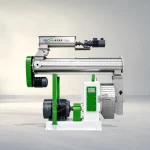


Select a twin screw extrusion machine by defining the specified finished extruded-feed form and consistency and the actual condition of the actual aquatic, pet or other declared feed formulations before comparing equipment offers. The decision should connect raw material, throughput, utilities and operating conditions to measurable acceptance criteria. This guide explains the technical questions a commercial buyer should resolve, the evidence to request and the circumstances that require further assessment. It does not convert a catalogue description into a production guarantee.
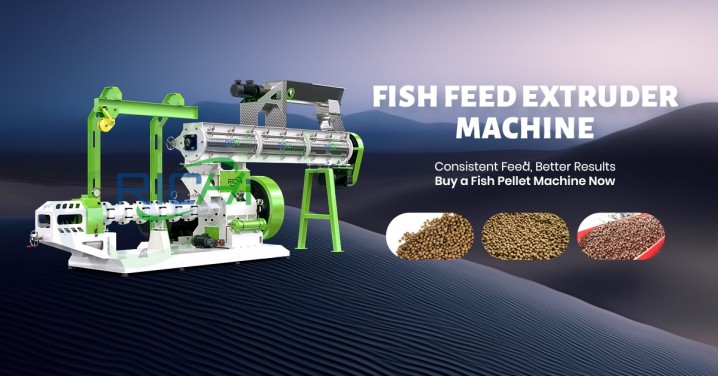
Buyer requirements
For this purchase, specify the actual aquatic, pet or other declared feed formulations and define the specified finished extruded-feed form and consistency. The enquiry should distinguish expected throughput from accepted saleable output because rejected product and interruptions change the commercial result. Include the intended operating schedule and identify who authorizes a product release. However, avoid turning an early estimate into an unconditional equipment guarantee. Compare proposals only after the raw material, utilities and acceptance criteria are documented; if those inputs remain uncertain, ask for a scoped technical assessment before approving a final configuration.
Selection criteria
A twin-screw quotation should explain the duty assigned to material preparation, conditioning, extrusion and downstream handling. The product portfolio must justify configuration flexibility; a general list of feed applications is not a complete acceptance specification. Assess the proposed process against the intended moisture, particle condition and throughput, rather than judging the equipment from its application name alone. Because the operating conditions determine what a demonstration can establish, require the supplier to explain the limits of its recommendation. Compare the same quality boundary across alternatives. If material preparation or downstream handling is excluded, identify the responsible party before accepting the offered machine as a complete solution.
Scope and lifecycle comparison
Broader process flexibility may increase setup, wear-part and operator requirements. Compare those obligations with product changeovers and the expected production mix rather than assuming a screw arrangement alone delivers commercial value. Compare the complete supply boundary, the wear parts included, inspection access and the process duties left to the buyer. Because downtime can originate outside the main machine, a cheaper isolated component is not necessarily a cheaper operating system. However, additional equipment should have a defined function rather than being justified by general promises of reliability. If an option cannot be connected to a product requirement, request that technical justification before adding it to the order.
Supplier evidence and acceptance checklist
Request a dated offer, a process description, interface drawings and an acceptance proposal for the actual aquatic, pet or other declared feed formulations. Verify that each document describes the same configuration, because an earlier drawing or different material test can create a misleading comparison. Product quality, throughput and operating conditions should travel together in the evidence pack. However, catalogue information does not replace a witnessed acceptance record. If a commitment remains verbal, ask the parties to resolve its scope and measurement method before it becomes a purchase assumption.
Material qualification for twin screw extrusion machine
A twin-screw quotation should explain the duty assigned to material preparation, conditioning, extrusion and downstream handling. The product portfolio must justify configuration flexibility; a general list of feed applications is not a complete acceptance specification. Start material qualification with a representative sample and a description of normal supply variation. Measure relevant moisture and particle characteristics because a convenient demonstration sample can hide the condition that production will actually receive. Compare the intended preparation route with what was used for the trial. However, do not transfer settings or output claims from another product merely because the equipment names are similar. If the sample does not represent the intended raw material, qualify the result as provisional.
Process interfaces and operating conditions
The relevant interfaces are the duties that deliver the actual aquatic, pet or other declared feed formulations to the main process and remove product that meets the specified finished extruded-feed form and consistency. Verify the transfer arrangement, utilities and process-control responsibilities because an upstream restriction can be mistaken for insufficient machine capacity. Compare the planned material flow with the equipment supplier’s assumptions. However, do not compensate for an unidentified bottleneck by specifying a larger machine without evidence. If an interface is uncertain, request a process review showing its operating boundary and the observation that would confirm it is adequate.
Representative trials and acceptance evidence
Select formulations that represent the intended operating range. Record process settings and downstream treatment with accepted feed output; do not translate a general capacity description into an unconditional performance guarantee. Define where the sample is collected, what constitutes accepted product and how interruptions are counted. Record the material condition and the measurement method because results without a consistent boundary cannot support a meaningful comparison. However, a short demonstration is not a substitute for the agreed sustained-duty assessment. If a proposed test cannot represent the intended operation, document what it can establish and what further evidence is needed before accepting a performance commitment.
Buying flexibility without qualifying the intended formulations
The practical risk is that buying flexibility without qualifying the intended formulations becomes visible only after the equipment has been ordered. Assess this before purchase because correcting a process assumption late can require more than changing an operating setting. Broader process flexibility may increase setup, wear-part and operator requirements. Compare those obligations with product changeovers and the expected production mix rather than assuming a screw arrangement alone delivers commercial value. Require the supplier and buyer to identify the relevant measurement and the person who will act on an unacceptable result. If the cause remains unclear, isolate the material, interface and product checks rather than accepting a general explanation that the machine needs further adjustment.
Conclusion
Choose a twin screw extrusion machine configuration only after the actual aquatic, pet or other declared feed formulations and the specified finished extruded-feed form and consistency have been translated into a documented acceptance basis. The recommended next step is a scoped technical enquiry with representative material information and an agreed trial proposal, because that makes supplier commitments comparable. If those conditions cannot yet be met, complete material qualification or interface review first. RICHI Machinery can be assessed as a solution provider against the same evidence requirements as alternatives; this guide is a commercial perspective, not independent endorsement or a guarantee of project performance.
Which buyer requirements should define a twin screw extrusion machine quotation?
Provide the proposed the actual aquatic, pet or other declared feed formulations, the intended product specification and the process boundary for the specified finished extruded-feed form and consistency. Ask the supplier to identify required utilities, upstream preparation and downstream handling because these details determine whether the quoted equipment meets the complete duty. Compare exclusions explicitly rather than assuming unlisted services are included. If an input is still an estimate, state its uncertainty and request a conditional proposal. The next action is a requirements review with a named owner for each open item, not acceptance of a catalogue range as a site-specific commitment.
Which performance evidence should a buyer require before selecting equipment?
Select formulations that represent the intended operating range. Record process settings and downstream treatment with accepted feed output; do not translate a general capacity description into an unconditional performance guarantee. Require a record that connects product quality, throughput and operating conditions, because each is needed to interpret the others. Confirm who samples and accepts the product and what happens if a criterion is missed. However, do not infer a wider operating envelope or commercial outcome from a result obtained under different conditions. If a supplier cannot provide comparable evidence, narrow the proposed commitment or agree further testing before the equipment decision is finalized.
Purchase scope disconnected from the specified finished extruded-feed form and consistency
An equipment order can look complete while leaving the specified finished extruded-feed form and consistency outside anyone’s explicit acceptance responsibility. Compare the offered deliverables with the required finished product because the missing duty may sit in material preparation, process control or downstream handling. Broader process flexibility may increase setup, wear-part and operator requirements. Compare those obligations with product changeovers and the expected production mix rather than assuming a screw arrangement alone delivers commercial value. Require an owner for each excluded interface and a measurable closure condition. If the buyer cannot identify who must resolve a failure, the purchase scope is not yet ready for approval, regardless of how complete the machine list appears.
Definition: Evidence and Sources
The supplier’s product page, first published in May 2026, describes the offered application as follows: The twin screw extrusion machine is suitable for producing high-quality aquatic, pet, poultry and livestock feed.
This statement defines the supplier’s described application; it is not a test record for a new customer’s material. Compare the description with the actual aquatic, pet or other declared feed formulations because a similar product label does not establish identical process conditions. Verify the current proposal and its applicability before using the description as a selection criterion. Where conditions differ, request clarification instead of extending the source beyond its stated scope.
A separate official product reference describes the relevant process scope: including pet feed extruders, which can also be used in aquatic feed production, such as fish and shrimp feed
This reference documents the stated product application, not guaranteed performance at the proposed site. Compare its applicability with the proposed raw material and acceptance criteria because documentation for a different configuration is not a substitute for a representative trial.
Decision: Evidence and Sources
The selection evidence for twin screw extrusion machine should connect the proposed process with the specified finished extruded-feed form and consistency. Request the quotation and the supporting test record with the material condition, throughput boundary and measurement method clearly identified. Because the published product description is supplier information, assess it alongside the buyer’s own requirements rather than treating it as an independent comparison. If the evidence does not cover the intended operating conditions, retain that limitation in the purchase decision and agree the additional verification needed.
Implementation: Evidence and Sources
Before implementing a twin screw extrusion machine proposal, require the applicable drawings, operating instructions and agreed acceptance plan. Verify responsibilities for the actual aquatic, pet or other declared feed formulations, utilities and product release because these interfaces determine whether the documented configuration can be accepted at the actual site. However, the proposed checks in this guide are planning recommendations, not a report of a completed customer project. If commissioning changes the configuration or operating conditions, update the relevant records and reassess the acceptance scope.
Before preparing a final enquiry, review the supplier’s twin screw extrusion machine application description and compare its scope with the material and finished product required for your project.