
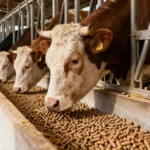


Poultry feed pellet quality has a direct influence on feed handling, storage, transportation, feed intake, and overall production efficiency. In modern poultry farming, pellets are widely used for broilers, layers, chicks, ducks, turkeys, geese, and other birds because they are easy to transport and distribute. Compared with mash feed, properly manufactured pellets can reduce ingredient separation, minimize feed waste, and provide birds with a more uniform intake of nutrients.
However, producing high-quality poultry feed pellets is not simply a matter of using a powerful pellet mill. Pellet quality is affected by many factors, including raw material characteristics, feed formulation, particle size, moisture, conditioning, die selection, roller adjustment, pellet cooling, screening, and equipment maintenance.
A properly configured chicken feed making machine can significantly improve production consistency, but the machine must work together with the rest of the production line. If the feed formula is unsuitable, the raw materials are poorly prepared, or the conditioning process is unstable, even a high-performance pellet mill may not produce satisfactory pellets.
So, how can poultry feed pellet quality be improved? This article explains the major factors affecting pellet quality and provides practical methods for producing stronger, more uniform, and more stable poultry feed pellets.
1. What Is High-Quality Poultry Feed Pellet?
Before discussing how to improve pellet quality, it is important to understand what a good poultry feed pellet should look like.
High-quality poultry feed pellets normally have several characteristics:
- Uniform pellet diameter
- Appropriate pellet length
- Good pellet durability
- Low percentage of fines
- Suitable moisture content
- Smooth and compact surface
- Consistent nutritional composition
- Good storage stability
- Low breakage during transportation
Pellet quality should also be appropriate for the target poultry.
For example, young chicks need smaller particles than mature broilers. Layer feed may require a different pellet size and formulation from broiler feed. Therefore, pellet quality should always be evaluated together with the bird’s age, species, feed formula, and feeding system.
2. Start with High-Quality Raw Materials
One of the most important factors affecting pellet quality is raw material quality.
Common poultry feed ingredients include:
- Corn
- Wheat
- Sorghum
- Soybean meal
- Rapeseed meal
- Sunflower meal
- Wheat bran
- Rice bran
- Fish meal
- Vegetable oils
- Limestone
- Dicalcium phosphate
- Salt
- Vitamin and mineral premixes
Different ingredients have different physical and chemical properties.
For example, cereal grains contain starch that can contribute to pellet binding during conditioning. Protein meals can influence pellet structure, while high-fiber materials may make pelleting more difficult.
Raw materials should be inspected for moisture, particle size, contamination, freshness, and nutritional consistency before entering production.
Moldy, excessively wet, or heavily contaminated materials should not be used without proper treatment or quality assessment.
Stable raw material quality provides a more consistent starting point for the entire pelletizing process.
3. Optimize the Poultry Feed Formula
A balanced feed formula is essential for both nutritional quality and pellet quality.
A formula should provide appropriate levels of:
- Energy
- Protein
- Amino acids
- Fiber
- Fat
- Calcium
- Phosphorus
- Vitamins
- Trace minerals
However, nutritional formulation also affects physical pellet characteristics.
For example, excessive fiber may reduce pellet durability and increase the amount of fines. Excessive free oil may interfere with compression and reduce the friction needed for effective pellet formation.
Therefore, feed manufacturers should consider both nutritional requirements and pelletability when developing formulas.
The formula should be designed according to the target poultry species and growth stage.
4. Control Raw Material Particle Size
Particle size is another major factor affecting pellet quality.
Large particles may prevent the feed from forming a dense and uniform pellet. Fine particles, on the other hand, generally provide a larger surface area for binding but may increase grinding energy consumption and dust generation.
A hammer mill is commonly used to reduce the particle size of corn, wheat, and other grains.
The appropriate grinding size depends on:
- Poultry species
- Bird age
- Feed formula
- Pellet diameter
- Pellet mill design
- Required pellet durability
The goal is not simply to make the feed as fine as possible. Instead, the particle size should be optimized to balance digestibility, pellet quality, energy consumption, and production efficiency.
5. Improve the Grinding Process
A properly adjusted grinding system can significantly improve pellet quality.
Important factors include hammer condition, screen size, airflow, feeding rate, and raw material characteristics.
Worn hammers may reduce grinding efficiency and produce inconsistent particles.
A damaged or unsuitable screen can also affect particle size distribution.
Regular inspection and replacement of worn components help maintain stable grinding performance.
For large poultry feed factories, particle size testing should be conducted regularly to ensure that the hammer mill is producing the desired material.
https://pelletisingmachine.com/animal-feed-hammer-mill
6. Ensure Accurate Batching
Accurate batching is essential for consistent feed quality.
Every ingredient must be added according to the feed formula.
This is especially important for micro-ingredients such as:
- Vitamins
- Minerals
- Amino acids
- Enzymes
- Other feed additives
Automatic batching systems can improve weighing accuracy and reduce human error.
If the batching system is inaccurate, the nutritional composition of the feed may vary between batches. Such inconsistency can also affect pellet formation because different formulas may have different physical characteristics.
Therefore, weighing equipment should be regularly calibrated.
7. Achieve Uniform Mixing
After batching, the ingredients need to be thoroughly mixed.
A good mixer distributes all ingredients evenly throughout the batch.
This is particularly important when small quantities of vitamins, minerals, amino acids, and additives are included.
Poor mixing can cause nutrient variation from one pellet to another.
A high-quality mixer should achieve the required mixing uniformity within an appropriate mixing time.
Over-mixing should also be avoided because it may reduce production efficiency.
For commercial poultry feed plants, mixer performance should be regularly evaluated to ensure consistent feed quality.
8. Control Feed Moisture
Moisture has a major influence on pellet formation.
If the material is too dry, the pellet mill may have difficulty compressing it into strong pellets. Excessively dry feed can increase energy consumption and reduce pellet durability.
If the material contains too much moisture, the finished pellets may be soft or difficult to cool and store.
Therefore, moisture should be controlled before and during conditioning.
Moisture levels should be adjusted according to the raw materials and feed formula rather than using one fixed setting for every product.
Consistent moisture conditions help stabilize the pelleting process.
9. Use Effective Steam Conditioning
Steam conditioning is one of the most important methods for improving poultry feed pellet quality.
Before entering the pellet mill, the feed mixture passes through a conditioner where steam is introduced.
Heat and moisture soften the feed particles and improve their binding characteristics.
Proper conditioning can:
- Increase pellet durability
- Reduce fines
- Improve pellet appearance
- Increase pellet mill throughput
- Reduce energy consumption
- Improve starch gelatinization
The main conditioning parameters include:
- Temperature
- Moisture
- Steam pressure
- Retention time
- Feed flow rate
These parameters should be adjusted according to the specific feed formula.
A formula containing more starch may respond differently to conditioning than a high-fiber formula.
10. Select the Right Die
The die is a critical component of the pellet mill.
It determines the diameter of the finished pellets and influences the compression conditions inside the pelletizing chamber.
Different poultry feed products require different pellet sizes.
For example:
- Chick feed generally requires smaller particles
- Broiler feed may use medium-sized pellets
- Layer feed may use different specifications depending on the feeding system
- Turkey or duck feed may require larger pellets at later growth stages
The die compression ratio should also match the feed formula.
If the die is unsuitable, the machine may consume excessive energy, produce unstable output, or create excessive fines.
Therefore, die selection should be based on actual feed characteristics rather than simply choosing the most commonly used specification.
11. Maintain Proper Roller Adjustment
The pressure rollers compress feed against the die.
Their adjustment has a significant influence on pellet quality.
If the roller gap is too large, compression may be insufficient. If the gap is too small, friction and mechanical load may become excessive.
Proper roller adjustment helps maintain:
- Stable pellet formation
- Appropriate compression
- Good pellet durability
- Consistent production
- Reasonable energy consumption
Roller shells should also be inspected regularly for wear.
Worn rollers may cause uneven pressure distribution and reduce pelletizing efficiency.
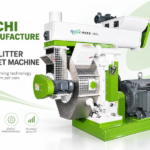
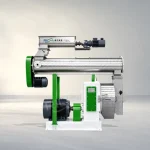
12. Use a Suitable Chicken Feed Making Machine
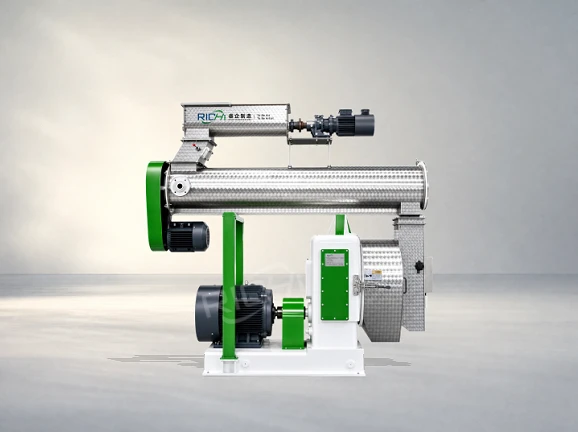
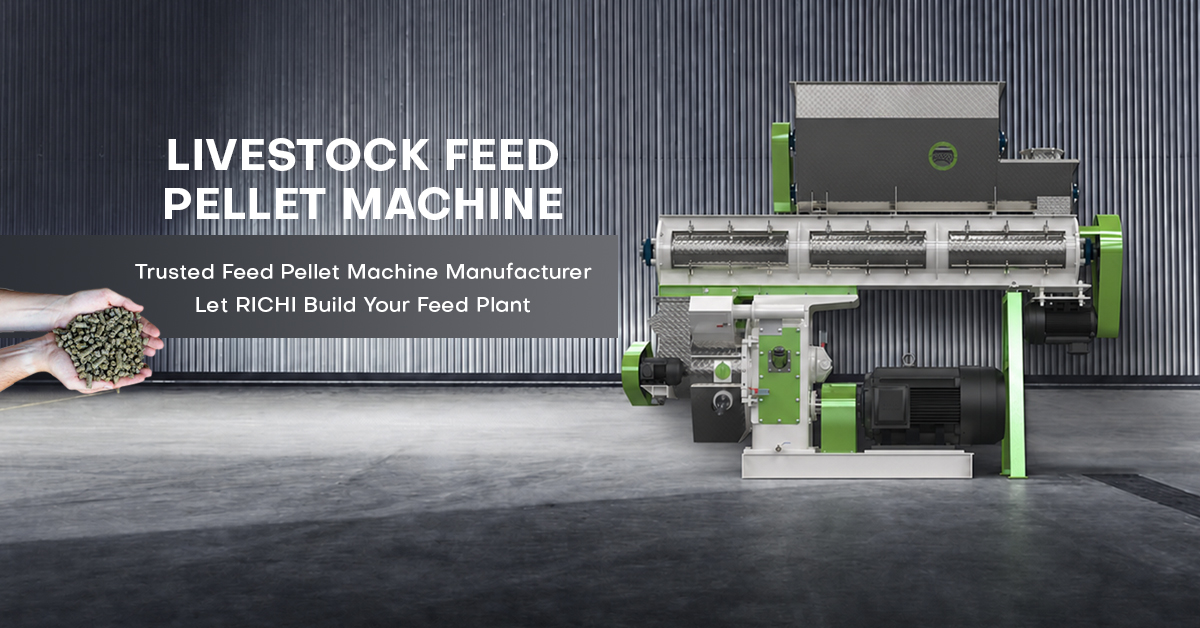
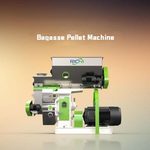
The chicken feed making machine is an important part of poultry feed pellet production.
A properly selected machine should match the production capacity, feed formula, pellet size, and operating requirements.
The basic pelletizing process is:
Conditioned Feed → Feeding → Compression → Die Extrusion → Cutting → Fresh Pellets
The machine’s performance depends on many components, including:
- Feeding system
- Conditioner
- Ring die
- Pressure rollers
- Main motor
- Transmission system
- Lubrication system
- Cutting system
- Safety system
For small poultry farms, a compact machine may be sufficient. For commercial feed factories, high-capacity industrial equipment and multiple pellet mills may be more appropriate.
The key is to select equipment based on actual production requirements rather than simply choosing the largest available machine.
13. Keep the Feed Rate Stable
Stable feeding is essential for consistent pellet quality.
If the feed entering the pellet mill fluctuates significantly, machine load and pellet quality can also change.
Overfeeding may cause excessive motor load and unstable operation.
Underfeeding may reduce machine utilization and increase energy consumption per ton.
Modern feed production lines can use automatic feeding systems that adjust feed flow according to machine load.
Stable material flow helps maintain consistent compression and pellet formation.
14. Adjust the Cutting System
After the feed is forced through the die holes, the extruded material must be cut into pellets.
The position of the cutting knife affects pellet length.
If the knife is too far from the die, pellets may become excessively long.
If it is too close, the cutting process may become unstable.
Different poultry feed products may require different pellet lengths.
Therefore, the cutter should be adjusted according to the target product specification.
Uniform pellet length improves product appearance and feeding consistency.
15. Cool the Pellets Properly
Fresh pellets leave the pellet mill at an elevated temperature and moisture level.
They should be cooled before storage.
A counterflow cooler is commonly used in commercial poultry feed production.
The cooling process removes heat and excess moisture and improves pellet stability.
Proper cooling helps prevent:
- Condensation
- Mold growth
- Pellet deformation
- Storage deterioration
The cooler should have sufficient capacity to handle the output of the pellet mill.
If the cooler is too small, it can become a bottleneck and negatively affect the entire production line.
16. Reduce Fines Through Efficient Screening
Fines are small particles or broken pieces produced during pelleting, cooling, transportation, and handling.
A certain amount of fines is unavoidable, but excessive fines usually indicate that the pelletizing process needs improvement.
A screening machine separates qualified pellets from fines.
The fines can often be returned to the pellet mill for reprocessing.
To reduce fines, manufacturers should check:
- Grinding quality
- Conditioning
- Die compression ratio
- Roller adjustment
- Cooling efficiency
- Conveyor handling
- Screening settings
Reducing fines improves product appearance and reduces material losses.
17. Use a Crumbler for Young Poultry
Not every high-quality poultry feed product needs to remain as a standard pellet.
Young chicks may require smaller feed particles.
A feed crumbler can break larger pellets into smaller crumbles.
The process is generally:
Pelleting → Cooling → Crumbling → Screening
The crumbler should be properly adjusted to produce uniform particles.
Excessive crumbling pressure can generate too many fines, while insufficient adjustment may produce particles that are too large.
Therefore, the crumbler should be integrated with the screening system for better particle-size control.
18. Consider Post-Pellet Coating
Some poultry feed products require additional oil or liquid ingredients after pelleting.
A coating machine can apply liquid ingredients uniformly to the pellet surface.
This can be useful when manufacturers want to increase energy density or add certain heat-sensitive components after pelleting.
However, coating must be carefully controlled.
Excessive liquid can reduce pellet durability and create storage problems.
A properly calibrated coating system can provide more uniform application and improve finished product consistency.
19. Reduce Mechanical Damage During Conveying
Even strong pellets can break if they are handled improperly.
Conveyors, elevators, transfer points, and packaging equipment can generate impact and abrasion.
To reduce pellet breakage:
- Minimize unnecessary transfer points
- Avoid excessive conveying speed
- Reduce drop heights
- Use suitable conveyors
- Maintain equipment properly
- Design smooth material flow
The production line should be designed so that pellets move from the cooler to the packaging system with minimal mechanical damage.
20. Maintain the Chicken Feed Making Machine
Regular maintenance is essential for stable pellet quality.
Important components should be inspected regularly, including:
- Ring die
- Pressure rollers
- Bearings
- Main shaft
- Transmission system
- Lubrication system
- Feeder
- Conditioner
- Cutter
- Safety devices
Worn components can cause unstable production and poor pellet quality.
For example, a worn die may reduce capacity and increase energy consumption. Worn rollers may create uneven compression.
Preventive maintenance is generally more effective than waiting until equipment failure causes production downtime.
21. Monitor Pellet Quality Regularly
Quality control should be carried out throughout production rather than only at the end.
Important indicators include:
Pellet Diameter
Check whether the pellets meet the required specification.
Pellet Length
Ensure that the length is appropriate for the target bird.
Moisture
Monitor moisture to ensure suitable storage stability.
Pellet Durability
Durable pellets should withstand transportation and handling without excessive breakage.
Fines Percentage
High fines may indicate problems with formulation, conditioning, pelleting, cooling, or handling.
Bulk Density
Consistent bulk density helps maintain stable product handling and packaging.
Regular testing allows operators to identify problems before they affect large quantities of finished feed.
22. Optimize the Entire Production Line
Pellet quality does not depend on the pellet machine alone.
The entire process must be coordinated:
Raw Material Cleaning → Grinding → Batching → Mixing → Conditioning → Pelleting → Cooling → Screening → Packaging
For example, poor grinding can negatively affect mixing and pellet formation. Poor mixing can result in inconsistent nutrient distribution. Poor conditioning can produce weak pellets. Insufficient cooling can create storage problems.
Therefore, improving pellet quality requires a system-level approach.
(click here )
23. Match Equipment Capacity
All machines in the production line should be properly matched.
Suppose a pellet mill can produce 10 tons per hour but the cooler can only process 6 tons per hour. The cooler becomes a bottleneck.
Similarly, if the hammer mill cannot provide enough prepared material, the pellet mill will not operate at full capacity.
A balanced production line improves:
- Equipment utilization
- Production continuity
- Pellet quality
- Energy efficiency
- Labor efficiency
This is particularly important for large commercial poultry feed factories.
24. Use Automatic Process Control
Automation can significantly improve pellet quality consistency.
A PLC control system can monitor and coordinate:
- Ingredient batching
- Mixer operation
- Feed flow
- Steam conditioning
- Pellet mill load
- Cooling
- Screening
- Packaging
Automatic control reduces manual errors and makes it easier to maintain stable processing parameters.
For large poultry feed plants, centralized control can also store multiple formulas and production settings, making it easier to switch between broiler, layer, chick, duck, turkey, and other poultry feeds.
25. Train Operators Properly
Even advanced machinery requires skilled operators.
Operators should understand how to adjust the production process according to changes in feed formula and raw material conditions.
They should know how to monitor:
- Motor load
- Steam pressure
- Feed temperature
- Moisture
- Pellet appearance
- Pellet durability
- Equipment vibration
- Wear-part condition
Proper operator training can reduce production errors and help maintain stable pellet quality.
26. Common Causes of Poor Poultry Feed Pellet Quality
Several common problems can lead to weak or inconsistent pellets.
Excessive Fines
Possible causes include insufficient conditioning, unsuitable die compression, poor raw material grinding, worn rollers, or improper cooling.
Soft Pellets
Possible causes include excessive moisture, insufficient compression, unsuitable formulation, or poor conditioning.
Excessive Energy Consumption
Possible causes include excessively fine grinding, an unsuitable die, poor roller adjustment, or overloading.
Uneven Pellet Size
Possible causes include inconsistent feed flow, improper cutter adjustment, die wear, or unstable material conditions.
Pellet Breakage During Transportation
Possible causes include insufficient durability, excessive transfer points, high conveying speed, or excessive drop height.
Identifying the actual cause is important because simply increasing machine pressure does not solve every pellet quality problem.
27. RICHI Poultry Feed Pellet Production Solutions
RICHI Machinery provides customized poultry feed production equipment and complete turnkey solutions for customers who want to manufacture high-quality poultry feed pellets.
The production system can be designed according to:
- Raw materials
- Feed formulas
- Target poultry
- Production capacity
- Pellet diameter
- Factory layout
- Automation requirements
- Investment budget
A complete production line can include:
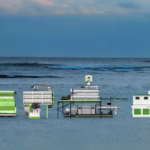
Cleaning → Crushing → Batching → Mixing → Conditioning → Chicken Feed Making Machine → Cooling → Screening → Crumbling/Coating → Packaging
For customers producing different poultry feed products, the production line can be configured for flexible formula changes and different pellet specifications.
RICHI’s turnkey service can cover process design, equipment manufacturing, transportation, installation, commissioning, operator training, and long-term technical support.
This integrated approach helps ensure that individual machines work together efficiently and that pellet quality remains stable throughout the production process.
Conclusion
Improving poultry feed pellet quality requires attention to every stage of production. High-quality raw materials, balanced feed formulas, suitable particle size, accurate batching, uniform mixing, controlled moisture, effective steam conditioning, correct die selection, proper roller adjustment, and stable feeding all contribute to better pellets.
The chicken feed making machine plays a central role in converting the conditioned feed mixture into compact pellets, but its performance depends heavily on the preparation and processing conditions before and after pelleting.
After pelletizing, proper cooling and screening are essential for maintaining pellet durability and reducing fines. For young poultry, a crumbler can be used to produce smaller particles. Careful conveying and packaging can further reduce pellet breakage.
Ultimately, the best approach is to treat pellet quality as a complete production-system issue rather than a single-machine problem. By optimizing raw materials, formulas, processing parameters, equipment configuration, maintenance, automation, and quality control, poultry feed manufacturers can produce more uniform, durable, and stable pellets.
For farms and commercial feed factories planning to upgrade their production capabilities, a properly designed poultry feed production line can provide a practical foundation for consistent pellet quality, efficient operation, and long-term production performance.