
Aquaculture has become one of the most important sectors in global food production, supplying nearly half of all fish consumed worldwide. As wild fish stocks decline and demand for high-quality protein continues to rise, fish farming has expanded rapidly across Asia, Africa, Europe, and the Americas. However, the success of modern aquaculture does not depend only on fish breeding techniques or water management—it depends heavily on one critical factor: feed efficiency.
Fish feed is the largest operational cost in aquaculture, often accounting for 50% to 70% of total production expenses. Therefore, improving fish feed production is one of the most effective ways to improve aquaculture efficiency. Modern technologies such as the fish feed production line and fish feed pellet making machine have transformed how feed is manufactured, enabling consistent nutrition, improved digestibility, reduced waste, and better environmental control.
This article explains in detail how fish feed production improves aquaculture efficiency, covering production technology, equipment systems, nutritional improvements, environmental benefits, and economic impacts.
1. Understanding Aquaculture Efficiency
Aquaculture efficiency refers to how effectively fish farming systems convert resources into marketable fish products.
Key indicators include:
- Feed conversion ratio (FCR)
- Growth rate of fish
- Survival rate
- Feed utilization efficiency
- Water quality stability
- Production cost per kilogram of fish
Among all these factors, feed efficiency plays the most important role.
2. The Importance of Fish Feed in Aquaculture
Fish feed directly affects:
- Fish growth speed
- Health and immunity
- Water quality
- Production cost
- Farm profitability
Inefficient feed leads to:
- Waste of nutrients
- Water pollution
- Slow fish growth
- Higher production costs
Therefore, improving feed production is essential for improving aquaculture efficiency.
3. What Is a Fish Feed Production Line?
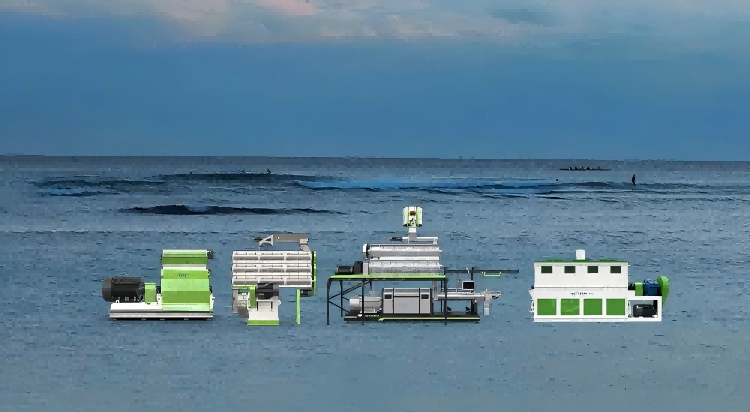
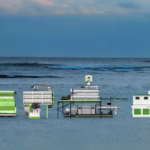
A 1-40T/H fish feed production line is a complete industrial system designed to manufacture aquafeed efficiently and consistently.
It typically includes:
- Raw material storage system
- Grinding equipment
- Mixing system
- Conditioning system
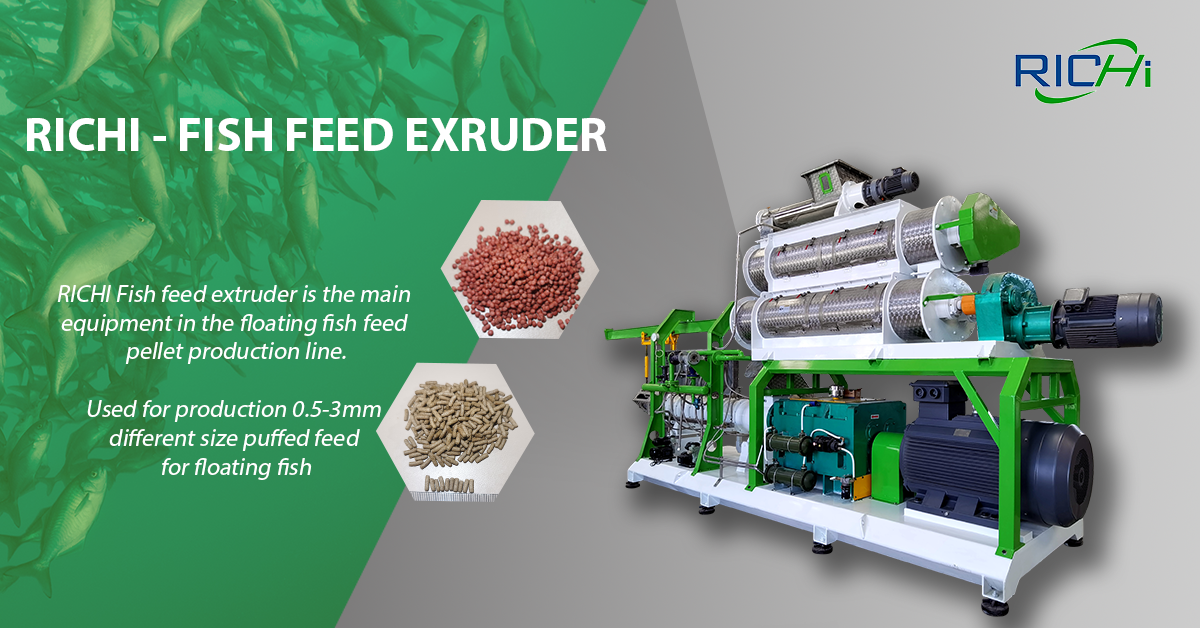
- fish feed pellet making machine
- Drying equipment
- Cooling system
- Oil coating system
- Packaging system
This integrated system ensures continuous production and consistent feed quality.
4. Role of Fish Feed Pellet Making Machine
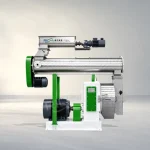
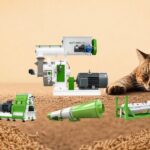
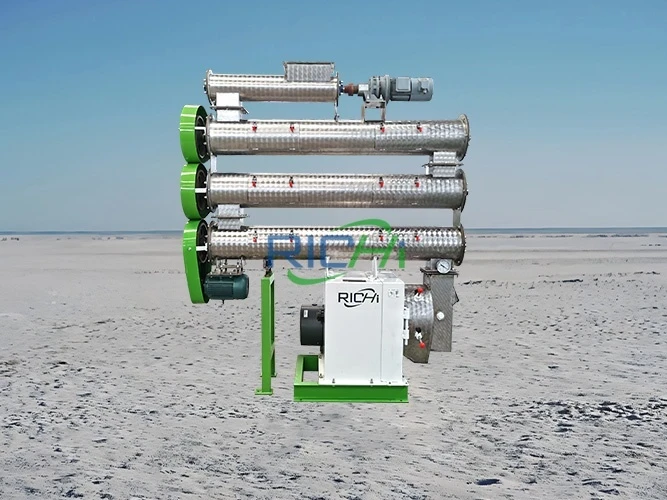
The fish feed pellet making machine is one of the most important components in fish feed production.
It is responsible for forming raw feed materials into uniform pellets suitable for aquaculture.
4.1 How the Fish Feed Pellet Making Machine Works
- Prepared feed materials enter the machine
- Materials are compressed under pressure
- Pellets are shaped through a die
- Cutting blades control pellet size
- Finished pellets are discharged
The machine ensures consistent pellet structure and size.
4.2 Importance in Aquaculture Efficiency
The fish feed pellet making machine improves aquaculture efficiency by:
- Producing uniform feed size
- Improving feed digestibility
- Reducing feed waste
- Enhancing fish growth performance
Consistent pellet quality is essential for efficient fish farming.
5. Improved Feed Conversion Ratio (FCR)
Feed conversion ratio is one of the most important efficiency indicators in aquaculture.
It measures how much feed is required to produce one unit of fish biomass.
5.1 How Feed Production Improves FCR
High-quality fish feed produced by modern production lines improves FCR by:
- Enhancing nutrient absorption
- Reducing feed waste
- Improving digestion efficiency
- Ensuring balanced nutrition
Better FCR means lower feed costs and higher profits.
6. Nutritional Precision and Balanced Diets
Modern fish feed production allows precise control of nutrition.
Feed formulations include:
- Protein
- Fat
- Carbohydrates
- Vitamins
- Minerals
6.1 Benefits of Nutritional Control
- Faster fish growth
- Stronger immune systems
- Reduced disease risk
- Improved survival rates
Balanced nutrition directly improves aquaculture productivity.
7. Reduction of Feed Waste
Feed waste is a major problem in traditional aquaculture.
Poor-quality feed leads to:
- Uneaten feed sinking
- Water pollution
- Increased ammonia levels
- Higher costs
7.1 How Production Technology Reduces Waste
The fish feed production line ensures:
- Uniform pellet size
- Stable pellet structure
- Improved feeding behavior
This reduces waste and improves efficiency.
8. Improved Water Quality Management
Water quality is essential for fish survival and growth.
Poor feed leads to:
- Organic waste accumulation
- Oxygen depletion
- Toxic ammonia buildup
8.1 Benefits of High-Quality Feed
Good feed reduces pollution by:
- Being fully consumed
- Producing less waste
- Dissolving more slowly in water
This results in healthier aquatic environments.
9. Role of Raw Material Processing
Raw materials used in fish feed include:
- Fish meal
- Soybean meal
- Corn
- Wheat
- Rice bran
- Vitamin premixes
9.1 Importance of Processing
Proper processing ensures:
- Better digestibility
- Uniform mixing
- Stable pellet formation
This improves overall feed efficiency.
10. Grinding and Particle Size Control
Grinding is an important step in feed production.
Smaller particle size improves:
- Nutrient absorption
- Mixing efficiency
- Pellet quality
Hammer mills are commonly used in fish feed production lines.
11. Mixing System Efficiency
Uniform mixing ensures each pellet contains balanced nutrition.
Benefits include:
- Consistent feed quality
- Stable fish growth
- Improved digestion
Poor mixing leads to uneven performance in aquaculture systems.
12. Conditioning and Moisture Control
Conditioning prepares feed for pellet formation by adding heat and moisture.
Benefits include:
- Improved starch gelatinization
- Better pellet formation
- Increased digestibility
Proper conditioning is essential for efficient production.
13. Drying and Stability Improvement
After pelletizing, feed must be dried.
Drying ensures:
- Long shelf life
- Mold prevention
- Stable pellet hardness
This improves storage and transportation efficiency.
14. Oil Coating and Nutrient Enhancement
After drying, oils and nutrients are added to feed pellets.
Benefits include:
- Increased energy value
- Improved palatability
- Faster fish growth
This step enhances feed efficiency and performance.
15. Cooling and Packaging
Cooling stabilizes pellets and prevents moisture damage.
Packaging ensures:
- Product protection
- Long-term storage stability
- Safe transportation
Proper packaging maintains feed quality until use.
16. Automation in Fish Feed Production Line
Modern production lines use automation to improve efficiency.
Automation systems provide:
- Accurate ingredient dosing
- Temperature control
- Production monitoring
- Reduced labor costs
This improves consistency and productivity.
17. Energy Efficiency in Production
Efficient production systems reduce energy consumption through:
- High-efficiency motors
- Optimized machinery
- Reduced waste
Lower energy use reduces production costs.
18. Environmental Benefits of Fish Feed Production
Improved feed production helps the environment by:
- Reducing water pollution
- Lowering waste output
- Supporting sustainable aquaculture
This makes aquaculture more eco-friendly.
19. Economic Benefits for Fish Farmers
Better feed production leads to:
- Lower feed costs
- Faster fish growth
- Higher production efficiency
- Increased profitability
This strengthens the entire aquaculture industry.
20. Challenges in Fish Feed Production
Despite its benefits, challenges include:
- High equipment investment
- Raw material price fluctuations
- Technical complexity
- Maintenance requirements
Proper planning helps overcome these challenges.
21. Importance of Equipment Maintenance
Maintenance ensures long-term performance of:
- fish feed pellet making machine
- fish feed production line
Regular maintenance includes:
- Cleaning machines
- Replacing worn parts
- Monitoring system performance
This ensures stable production quality.
22. Future Trends in Fish Feed Production
Future developments include:
- AI-based feed optimization
- Precision aquaculture systems
- Smart feeding technology
- Energy-efficient production systems
These innovations will further improve aquaculture efficiency.
Conclusion
Fish feed production plays a fundamental role in improving aquaculture efficiency by enhancing feed quality, reducing waste, improving water conditions, and optimizing nutrient delivery. Modern technologies such as the fish feed pellet production line and fish feed pellet making machine have transformed aquaculture into a highly efficient and industrialized sector.
By enabling precise control over feed formulation and production, these systems help fish farmers achieve better growth rates, lower costs, and higher profitability. As global demand for fish continues to rise, advanced fish feed production technology will remain essential for building a sustainable and efficient aquaculture industry.