Introduction: The Growing Value of Modern Aquatic Feed Manufacturing
Aquaculture has become one of the fastest-growing sectors in global food production. With increasing demand for fish, shrimp, and other aquatic products, commercial farming operations are expanding rapidly in many regions. As aquaculture develops from traditional small-scale farming toward intensive and industrialized production, the importance of high-quality aquatic feed has become increasingly clear.
Feed is one of the most important factors determining aquaculture success. It directly affects growth rate, feed conversion ratio, animal health, production costs, and overall farm profitability. However, traditional feed production methods often struggle to meet the requirements of modern aquaculture because they cannot provide consistent quality, precise nutrition, or efficient production capacity.
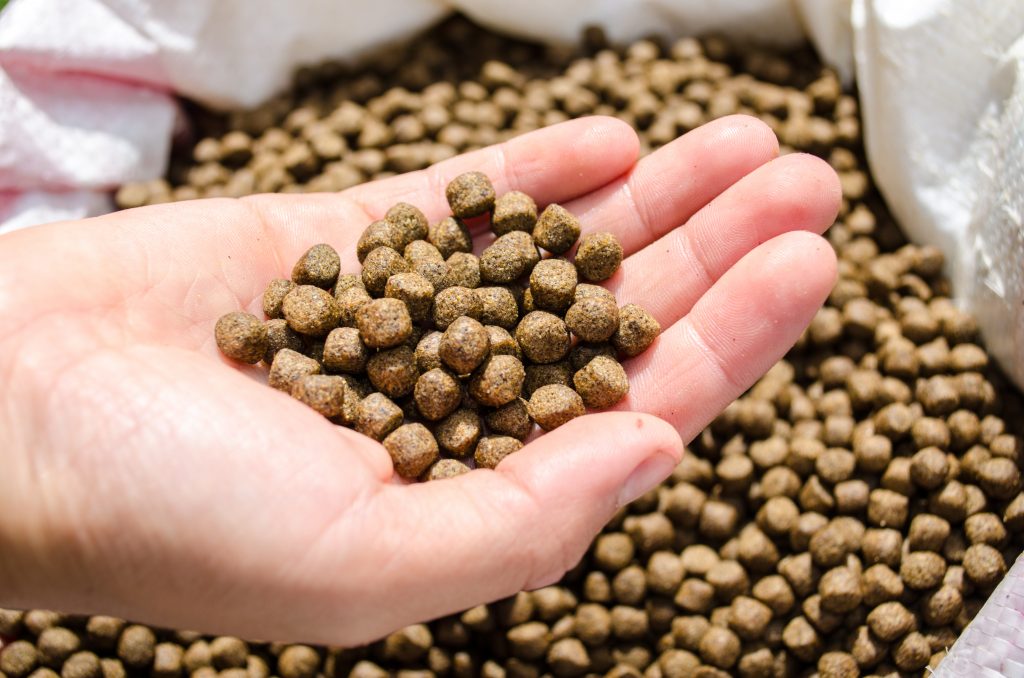
Investing in modern aquatic feed production allows businesses to overcome these challenges by using advanced technology, automated systems, and professional processing equipment. Modern feed factories can produce nutritionally balanced pellets with better digestibility, improved water stability, and higher feeding efficiency.
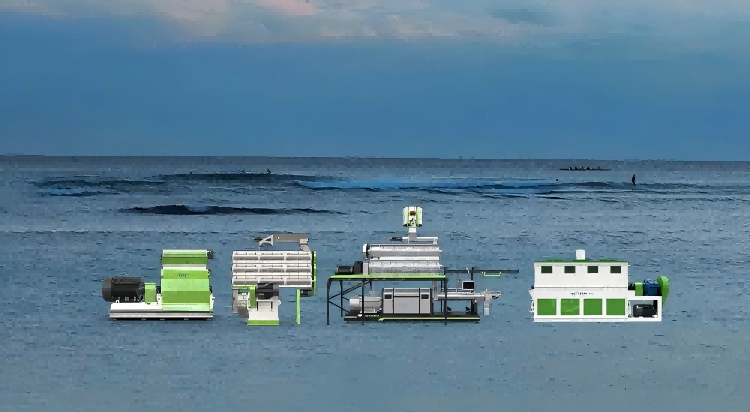
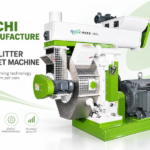
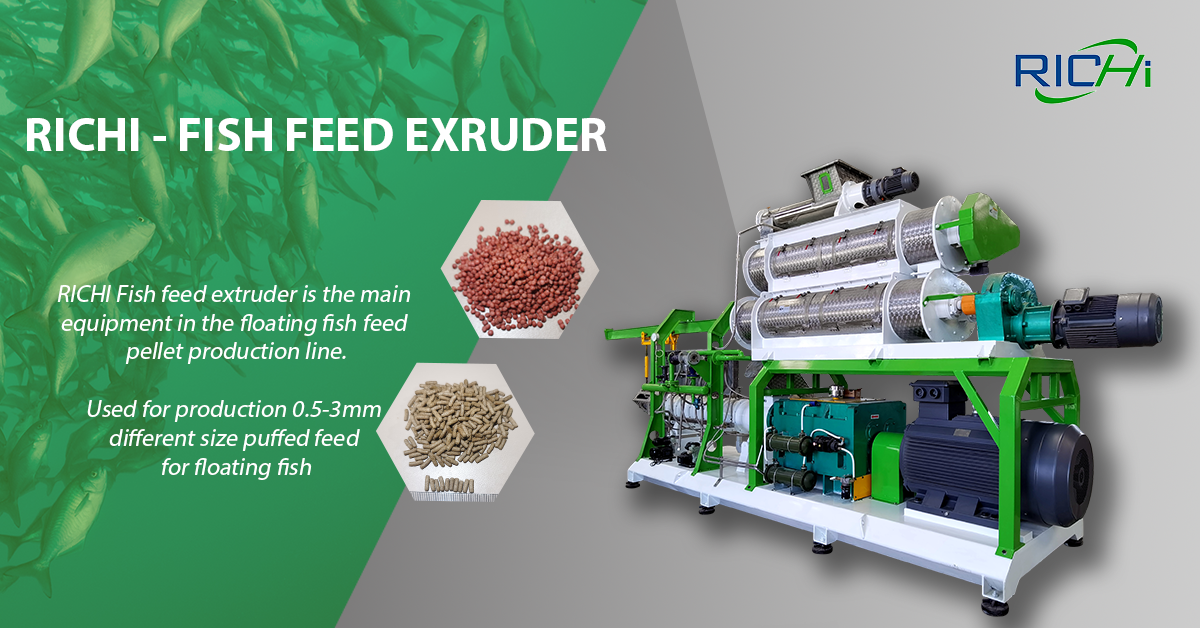
Among the key technologies used in modern aquatic feed manufacturing, floating fish feed extruder equipment plays a vital role. It enables manufacturers to produce high-quality floating feed pellets with controlled density, excellent durability, and improved nutrient utilization, helping both feed companies and aquaculture farms achieve better economic results.
For investors looking to enter or expand in the aquaculture industry, modern aquatic feed production represents a valuable opportunity with strong market potential and long-term development prospects.
Growing Demand Creates Investment Opportunities in Aquatic Feed Production
The global aquaculture industry continues to expand due to rising seafood consumption, population growth, and increasing pressure on natural fish resources. More farmers are adopting intensive farming systems to increase production efficiency, which creates strong demand for commercial aquatic feed.
Unlike traditional farming methods that depend heavily on natural food sources, modern aquaculture relies on formulated feed to provide complete nutrition throughout the production cycle.
This creates a stable market for:
- Floating fish feed
- Shrimp feed
- Sinking aquatic feed
- Specialty feeds for different species
Investing in aquatic feed production allows companies to participate in an essential part of the aquaculture supply chain.
A professional feed factory can supply products to:
- Fish farms
- Shrimp farms
- Aquaculture cooperatives
- Feed distributors
- Agricultural companies
Because aquatic animals require feed every day throughout their growth cycle, the market demand is relatively stable compared with many seasonal agricultural industries.
Modern Aquatic Feed Production Improves Feed Quality
One of the biggest advantages of modern aquatic feed production is the ability to manufacture consistent and high-quality feed products.
Feed quality directly influences:
- Growth performance
- Feed utilization efficiency
- Survival rates
- Farming profitability
Traditional production methods may result in uneven nutrient distribution, inconsistent pellet size, and poor water stability. These problems can reduce feeding efficiency and increase production costs.
Modern production systems improve feed quality through:
- Precise ingredient measurement
- Uniform mixing
- Advanced extrusion processing
- Controlled drying
- Professional quality inspection
The result is feed with:
- Balanced nutrition
- Stable pellet structure
- Better digestibility
- Improved water performance
High-quality feed helps aquatic animals absorb more nutrients from each pellet, reducing feed waste and improving overall farming efficiency.
Advanced Extrusion Technology Enhances Feed Performance
Extrusion is one of the most important technologies in modern aquatic feed manufacturing. It transforms prepared feed mixtures into pellets with specific physical characteristics required for aquatic farming.
During extrusion, feed materials experience:
- High temperature
- Pressure
- Mechanical shear forces
These conditions improve the physical and nutritional properties of feed.
The advantages of extrusion include:
- Better starch gelatinization
- Improved digestibility
- Stronger pellet structure
- Reduced nutrient leakage
- Adjustable pellet density
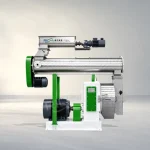
Modern floating fish feed extruder equipment is designed specifically for producing floating pellets that remain on the water surface for sufficient feeding time.
This provides several benefits:
- Farmers can easily monitor feeding behavior
- Feed waste can be reduced
- Water pollution can be minimized
- Feeding management becomes more accurate
For businesses producing commercial aquatic feed, advanced extrusion equipment is a key investment that directly affects product quality and market competitiveness.
https://richipelletizer.com/floating-fish-feed-extruder-machine
Increasing Production Efficiency Through Automation
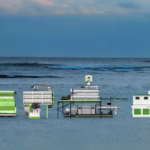
Modern aquatic feed production is not limited to individual machines. Instead, complete production systems integrate multiple processes into an efficient automated workflow.
A modern aquatic feed production line usually includes:
- Raw material cleaning systems
- Crushing equipment
- Automatic batching systems
- Mixing machines
- Conditioning systems
- Extrusion equipment
- Drying systems
- Cooling systems
- Screening machines
- Packaging equipment
Automation improves efficiency by reducing manual operations and ensuring stable production conditions.
The benefits include:
Higher Production Capacity
Automated systems allow continuous production and help factories meet large customer orders.
Lower Labor Costs
Fewer workers are required for daily operations.
Better Quality Control
Automatic monitoring reduces production errors.
Improved Production Management
Operators can track important parameters and optimize performance.
For large-scale feed manufacturers, automation is essential for maintaining competitiveness and profitability.
Reducing Feed Waste and Improving Farm Efficiency
Feed waste is one of the major challenges in aquaculture. Uneaten feed not only increases costs but also negatively affects water quality.
Modern aquatic feed production helps solve this problem by creating pellets with better physical performance.
Floating feed produced by advanced extrusion technology provides advantages such as:
- Longer floating time
- Better visibility
- Improved feeding control
- Reduced nutrient loss
The use of floating fish feed extruder equipment allows manufacturers to adjust pellet expansion and density according to different species and farming conditions.
For farmers, this means:
- Less wasted feed
- Lower feeding expenses
- Cleaner water environment
- Better growth results
Reducing feed waste creates direct economic benefits throughout the aquaculture production chain.
Supporting Customized Feed Solutions for Different Species
Different aquatic species have different nutritional requirements. A feed formula suitable for one species may not provide optimal results for another.
Modern aquatic feed production provides the flexibility needed to develop customized products.
Manufacturers can adjust:
- Protein levels
- Fat content
- Pellet size
- Pellet density
- Nutritional additives
Examples include:
Fish Feed
Different fish species require different pellet sizes and nutrient levels depending on their growth stages.
Shrimp Feed
Shrimp feed requires strong water stability because shrimp consume feed slowly.
(Learn more about shrimp feed pellet machine for sale)
Specialty Aquatic Feed
High-value species may require customized formulas with specific nutritional functions.
The ability to produce customized feed allows manufacturers to serve more customers and create additional business opportunities.
Improving Business Profitability Through Better Cost Control
Although investing in modern aquatic feed production requires capital, it can improve long-term profitability through better cost management.
Modern systems help reduce costs by:
Improving Raw Material Utilization
Scientific formulas allow manufacturers to select cost-effective ingredients without reducing feed quality.
Increasing Production Efficiency
Automation reduces labor expenses and improves output.
Reducing Product Losses
Better pellet quality reduces waste during production, storage, and transportation.
Improving Customer Satisfaction
High-quality feed creates repeat business and stronger market relationships.
For investors, modern production technology provides a foundation for sustainable business growth.
Expanding Market Competitiveness With High-Quality Products
The aquatic feed market is becoming increasingly competitive. Customers are no longer focused only on price; they also consider feed performance and reliability.
Companies investing in modern production technology can differentiate themselves through:
- Higher-quality products
- Stable supply capacity
- Customized solutions
- Professional technical support
Advanced equipment allows manufacturers to produce feed that meets stricter market requirements.
For example, feed produced with reliable extrusion technology often has better floating performance, which can provide farmers with measurable benefits.
A strong product reputation helps companies build long-term customer relationships and expand their market share.
Supporting Sustainable Aquaculture Development
Sustainability has become a major focus in the global aquaculture industry. Modern aquatic feed production contributes to sustainability by improving resource utilization and reducing environmental impact.
Efficient feed production helps:
- Reduce feed waste
- Improve nutrient absorption
- Lower pollution caused by excess nutrients
- Optimize raw material usage
Advanced equipment also supports the use of alternative ingredients, including:
- Plant-based proteins
- Agricultural by-products
- Sustainable raw materials
By producing more efficient feed, the aquaculture industry can increase production while using fewer resources.
Choosing the Right Equipment for Modern Aquatic Feed Production
Successful investment requires selecting suitable equipment based on business goals and market requirements.
Important factors include:
Production Capacity
The equipment should match expected output and future expansion plans.
Feed Type
Different products may require different processing technologies.
Raw Material Characteristics
Ingredient selection influences equipment configuration and processing parameters.
Automation Level
Higher automation improves efficiency and reduces operating costs.
Equipment Reliability
Durable machines reduce downtime and maintenance expenses.
A professional floating fish feed extruder equipment solution should provide:
- Stable operation
- Consistent pellet quality
- Flexible adjustment
- Energy-efficient performance
- Long service life
Working with an experienced equipment manufacturer helps investors design a production system that fits their specific needs.
Future Development Trends of Aquatic Feed Production
The future of aquatic feed manufacturing will continue moving toward greater efficiency, intelligence, and sustainability.
Key trends include:
Smart Feed Factories
Digital monitoring and automation will improve production control.
Sustainable Ingredients
More environmentally friendly raw materials will be adopted.
Improved Feed Formulation
Scientific research will continue developing more efficient diets.
Energy-Saving Equipment
Manufacturers will focus on reducing production costs and environmental impact.
Businesses that invest in advanced technology today will be better positioned to compete in the future aquatic feed market.
Conclusion: Modern Aquatic Feed Production Is a Valuable Investment Opportunity
Investing in modern aquatic feed production provides businesses with the opportunity to participate in the rapidly growing aquaculture industry while improving efficiency and profitability.
Advanced production systems deliver significant advantages, including better feed quality, lower waste, higher production capacity, and stronger market competitiveness.
Among these technologies, floating fish feed extruder equipment plays a critical role in producing high-performance floating pellets that improve feeding efficiency and support healthier aquatic farming.
As global demand for aquatic products continues to increase, the need for efficient and reliable feed production will continue to grow. By adopting modern equipment, optimizing production processes, and focusing on quality, investors can build a competitive aquatic feed business and achieve sustainable long-term growth. (Richi Machinery)