
Feed waste is one of the biggest challenges facing the global aquaculture industry. As fish farming continues to expand to meet the growing demand for seafood, producers are under increasing pressure to improve feed efficiency, reduce production costs, and minimize environmental impacts. Since feed typically accounts for 50% to 70% of total aquaculture production costs, even small reductions in feed waste can significantly improve farm profitability.
Feed waste occurs when feed is not consumed by fish or when nutrients are lost before they can be utilized. Uneaten pellets, poor feed digestibility, nutrient leaching, and inefficient feeding practices all contribute to waste. Excess feed not only increases operating costs but also deteriorates water quality, leading to higher disease risks and environmental pollution.
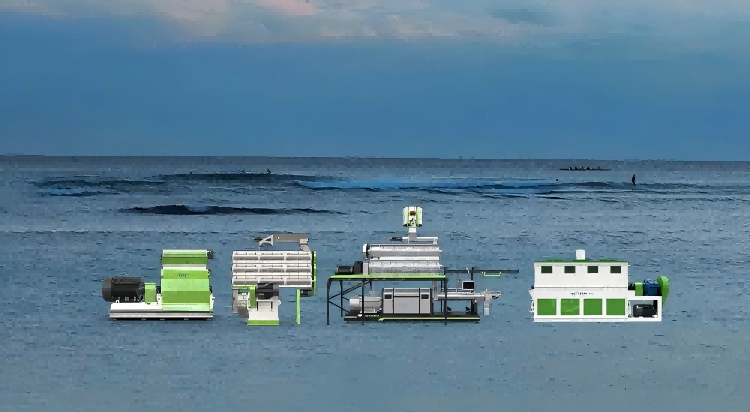
Modern aquatic feed production plays a crucial role in reducing feed waste. Through advanced formulations, precise processing technologies, improved pellet quality, and innovative manufacturing equipment such as the fish food pellet making machine, feed producers can create products that maximize nutrient utilization and minimize losses. This article explores how aquatic feed production helps reduce feed waste and supports more sustainable aquaculture practices.
Understanding Feed Waste in Aquaculture
Before discussing solutions, it is important to understand the different forms of feed waste.
Feed waste generally falls into two categories:
Physical Feed Waste
This occurs when feed pellets are lost before being consumed by fish.
Examples include:
- Uneaten feed sinking to the pond bottom
- Pellets breaking apart in water
- Feed losses during transportation and handling
- Excessive dust formation
Nutritional Feed Waste
This occurs when nutrients are not effectively utilized by fish.
Examples include:
- Poor digestibility
- Nutrient leaching
- Imbalanced feed formulations
- Excess nutrient excretion
Both forms of waste reduce production efficiency and increase operating costs.
The Economic Impact of Feed Waste
Feed waste has direct financial consequences for fish farmers.
Higher Feed Costs
When feed is wasted, farmers must purchase more feed to achieve production goals.
Reduced Profit Margins
Poor feed utilization lowers overall farm profitability.
Increased Production Costs
Waste often leads to additional expenses related to:
- Water management
- Disease treatment
- Pond maintenance
Lower Growth Performance
Fish receiving inadequate nutrition due to feed losses may grow more slowly and require longer production cycles.
Reducing feed waste is therefore essential for improving economic performance.
Environmental Consequences of Feed Waste
Feed waste also affects aquatic ecosystems.
Water Pollution
Uneaten feed decomposes and releases nutrients into the water.
Oxygen Depletion
Organic matter consumes dissolved oxygen during decomposition.
Ammonia Accumulation
Waste feed contributes to elevated ammonia concentrations.
Algal Blooms
Excess nutrients promote excessive algae growth.
Disease Risks
Poor water quality creates favorable conditions for pathogens.
By reducing feed waste, feed manufacturers help improve environmental sustainability and fish health.
The Role of Feed Formulation in Waste Reduction
Feed formulation is one of the most effective tools for minimizing waste.
Balanced Nutrient Profiles
Properly formulated feed provides the exact nutrients fish require.
Benefits include:
- Improved growth rates
- Better nutrient utilization
- Reduced nutrient excretion
Species-Specific Formulations
Different species have different nutritional needs.
For example:
- Tilapia require different protein levels than salmon.
- Shrimp require different amino acid profiles than catfish.
Customized formulations improve feed efficiency and reduce waste.
Life-Stage Nutrition
Feed should be designed according to:
- Fry stage
- Fingerling stage
- Juvenile stage
- Adult stage
Matching nutrient levels to growth stages improves nutrient utilization.
Improving Ingredient Quality
High-quality raw materials contribute significantly to waste reduction.
Better Digestibility
Digestible ingredients allow fish to absorb more nutrients.
Consistent Nutritional Value
Reliable ingredients improve formulation accuracy.
Reduced Contamination
High-quality ingredients reduce health problems that can affect feed utilization.
Common high-quality feed ingredients include:
- Fish meal
- Soy protein concentrate
- Corn gluten meal
- Fish oil
- Wheat flour
Careful ingredient selection improves feed performance and minimizes waste. (straight from the source)
Fine Grinding for Improved Feed Utilization
Particle size influences both feed quality and digestibility.
Increased Surface Area
Fine grinding improves nutrient accessibility.
Better Mixing Performance
Uniform particle size enhances ingredient distribution.
Improved Pellet Formation
Smaller particles create stronger pellets.
These benefits help fish utilize feed more effectively and reduce nutrient losses.
The Importance of Proper Mixing
Uniform nutrient distribution is essential for feed efficiency.
Consistent Nutrition
Every pellet should contain the intended nutrient profile.
Reduced Sorting Behavior
Fish are less likely to reject feed when pellet quality is consistent.
Improved Growth Performance
Uniform nutrition supports predictable growth and feed conversion.
Modern mixing technologies help ensure high feed quality throughout production.
How Pellet Quality Reduces Feed Waste
The physical quality of pellets directly affects feed utilization.
Pellet Durability
Strong pellets resist breakage during:
- Transportation
- Storage
- Feeding operations
Water Stability
Stable pellets remain intact long enough for fish to consume them.
Reduced Dust Formation
Lower dust levels mean less feed loss before consumption.
Consistent Pellet Size
Uniform pellets improve feeding efficiency and reduce rejection.
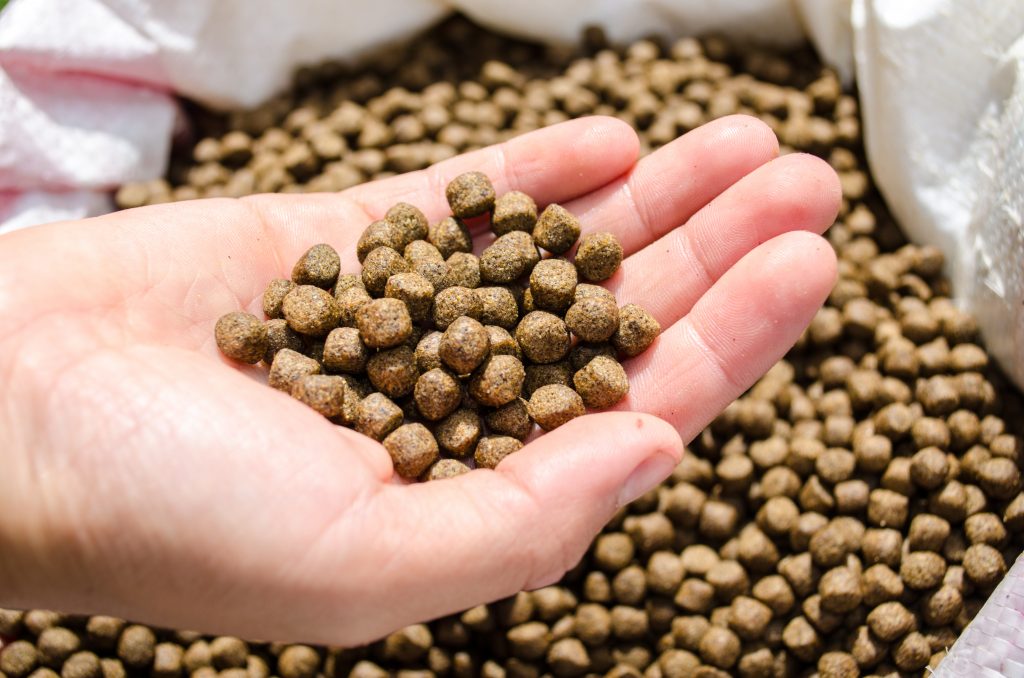
High-quality pellets significantly reduce physical feed waste.
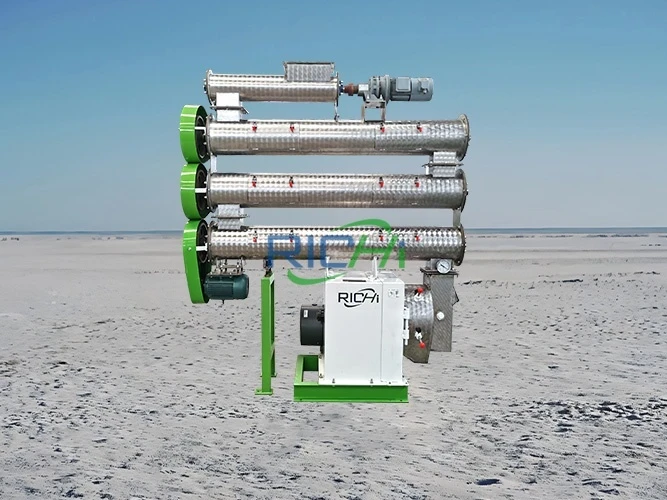
The Role of Fish Food Pellet Making Machines
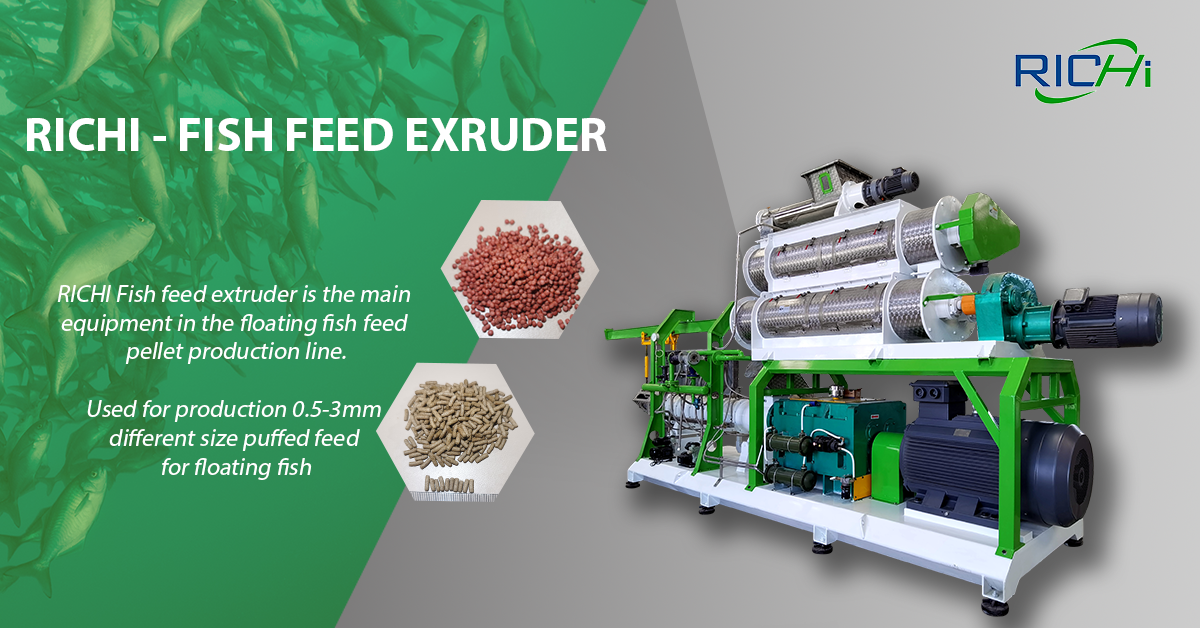
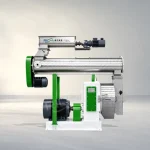
The fish food pellet making machine is one of the most important pieces of equipment in aquatic feed manufacturing.
Its primary function is to convert raw feed mixtures into durable, nutritionally balanced pellets.
Producing Uniform Pellets
Consistent pellet size improves feeding behavior and feed intake.
Enhancing Pellet Durability
Proper compression creates strong pellets that resist breakage.
Improving Water Stability
Well-manufactured pellets maintain their integrity in aquatic environments.
Supporting Nutrient Retention
Efficient pellet formation minimizes nutrient losses during processing.
Increasing Production Consistency
Modern fish food pellet making machines help manufacturers maintain reliable product quality.
By improving pellet characteristics, these machines play a key role in reducing feed waste.
The Benefits of Extrusion Technology
Extrusion is widely used in modern aquatic feed production.
Improved Digestibility
Extrusion enhances starch gelatinization, making nutrients easier to digest.
Floating Feed Production
Floating pellets allow farmers to monitor feeding activity.
Better Feed Conversion
Improved digestibility supports efficient nutrient utilization.
Reduced Water Pollution
Stable extruded pellets minimize nutrient leaching.
Extrusion technology has become an important tool for waste reduction.
Enhancing Feed Digestibility
Digestibility determines how effectively fish utilize nutrients.
Highly Digestible Ingredients
Premium ingredients improve nutrient absorption.
Enzyme Supplementation
Feed enzymes help break down complex nutrients.
Optimized Processing Conditions
Proper conditioning and pelletizing improve digestibility.
Higher digestibility means more nutrients are converted into fish growth rather than waste.
Functional Feed Additives and Waste Reduction
Modern aquatic feeds often contain additives that improve feed efficiency.
Probiotics
Promote beneficial gut bacteria and improve digestion.
Prebiotics
Support healthy intestinal function.
Organic Acids
Enhance nutrient absorption and digestive performance.
Enzymes
Increase nutrient availability and utilization.
These additives help fish make better use of feed resources.
Precision Manufacturing and Automation
Automation improves consistency throughout feed production.
Accurate Ingredient Weighing
Precise formulations reduce nutrient imbalances.
Consistent Processing Conditions
Automated systems maintain optimal production parameters.
Real-Time Monitoring
Sensors track moisture, temperature, and machine performance.
Reduced Human Error
Automation improves reliability and product quality.
Precision manufacturing contributes directly to lower feed waste.
Quality Control Measures
Quality assurance is essential for producing efficient aquatic feed.
Raw Material Testing
Manufacturers verify ingredient quality before production.
In-Process Monitoring
Critical parameters are monitored throughout manufacturing.
Pellet Testing
Finished feed is evaluated for:
- Durability
- Water stability
- Nutritional composition
- Moisture content
Strong quality control systems help ensure feed performs as intended.
Supporting Better Feeding Management
Feed quality and farm management work together to reduce waste.
Consistent Pellet Performance
High-quality feed supports predictable feeding behavior.
Improved Feeding Observation
Floating pellets allow farmers to monitor consumption.
Reduced Overfeeding
Accurate feed delivery minimizes excess feed application.
Quality feed helps farmers implement more efficient feeding strategies.
Sustainability Benefits of Reduced Feed Waste
Reducing feed waste supports sustainable aquaculture.
Improved Resource Efficiency
Less feed is required to produce the same amount of fish.
Reduced Environmental Impact
Lower nutrient discharge improves water quality.
Better Feed Conversion Ratios
Efficient feed utilization conserves resources.
Enhanced Economic Sustainability
Higher profitability supports long-term business viability.
Waste reduction benefits producers, consumers, and the environment.
Future Innovations in Feed Waste Reduction
The aquatic feed industry continues to develop new technologies.
Precision Nutrition
Customized diets improve nutrient utilization.
Smart Feeding Systems
Automated feeding systems optimize feed delivery.
Alternative Protein Sources
Novel ingredients may improve sustainability and efficiency.
Advanced Pellet Technologies
Future fish food pellet making machine designs will offer even greater control over pellet quality.
Digital Manufacturing
Artificial intelligence and data analytics will further improve production efficiency.
These innovations will continue reducing feed waste and improving aquaculture performance.
Conclusion
Feed waste is a major challenge in aquaculture, affecting both profitability and environmental sustainability. Modern aquatic feed production provides effective solutions through improved formulations, high-quality ingredients, advanced processing technologies, and strict quality control systems.
Equipment such as the fish food pellet making machine plays a vital role in producing durable, stable, and nutritionally balanced pellets that maximize feed utilization. By enhancing pellet quality, digestibility, and consistency, feed manufacturers help fish farmers reduce waste, improve growth performance, and lower production costs.
As aquaculture continues to expand worldwide, reducing feed waste will remain a key priority. Through ongoing innovation and technological advancement, aquatic feed production will continue to support more efficient, profitable, and sustainable fish farming operations for the future.