



The Growing Importance of Agricultural Waste Utilization
Agriculture produces millions of tons of by-products every year, including crop stalks, husks, shells, and other organic residues. Traditionally, many of these materials were burned openly, discarded, or left to decompose, creating environmental problems and wasting valuable resources. However, with the increasing demand for renewable energy solutions, agricultural waste is now being recognized as an important biomass resource.
Among various agricultural residues, peanut shells have attracted considerable attention because of their availability, low moisture content after proper treatment, and good combustion characteristics. Instead of considering peanut shells as waste, many farmers, agricultural companies, and biomass fuel producers are exploring ways to convert them into high-value fuel pellets.
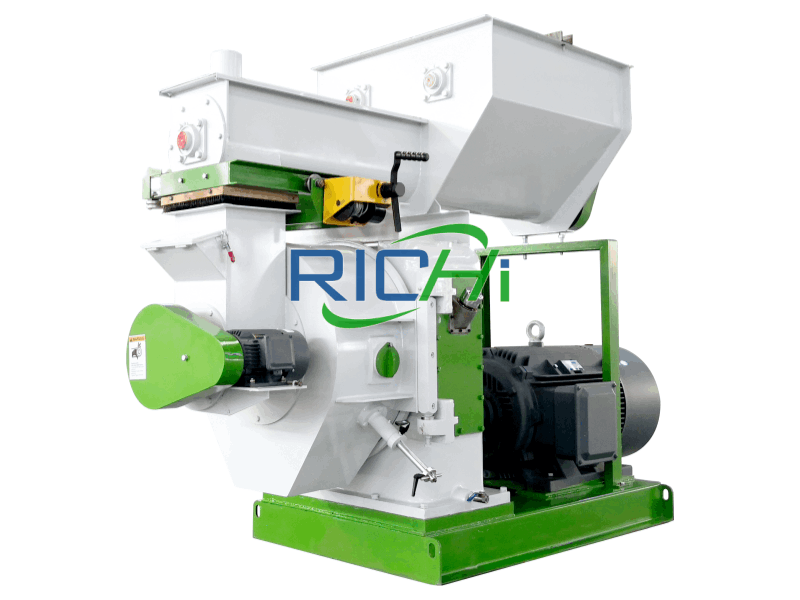
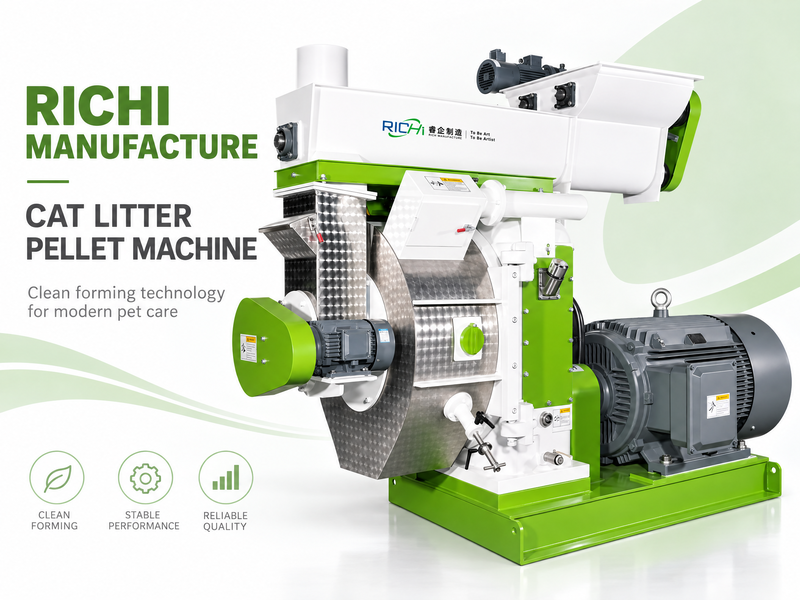
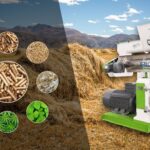
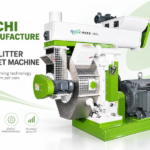
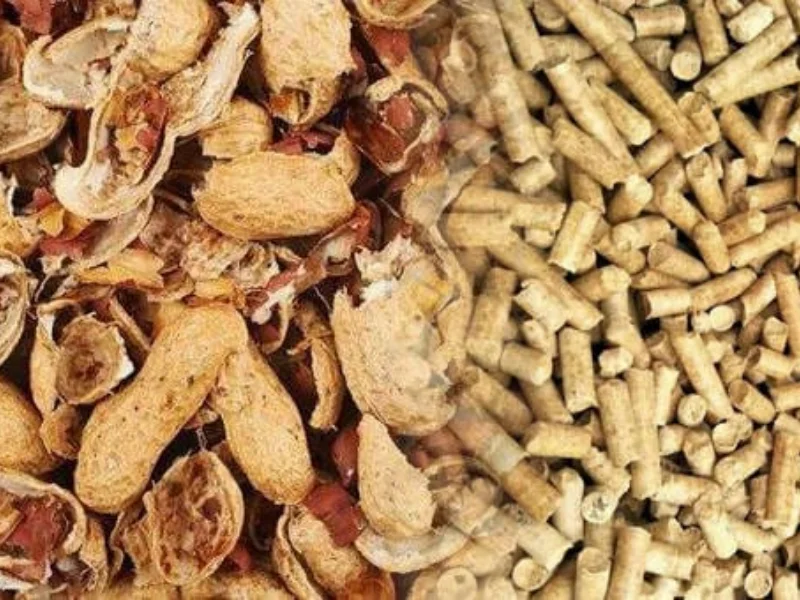
Modern pellet processing technology makes this transformation possible. By using an efficient peanut shell pellet machine, businesses can compress loose peanut shells into dense pellets that are easier to transport, store, and use. These pellets can replace traditional fossil fuels in industrial boilers, heating systems, and biomass energy projects.
Why Peanut Shells Are Suitable for Biomass Pellet Production
Peanut shells are a common agricultural by-product in many regions where peanut cultivation and processing industries are developed. Large quantities of shells are generated during peanut production, creating both a disposal challenge and an opportunity for renewable energy development.
One of the biggest advantages of peanut shells is their natural fiber structure. After crushing and processing, the material can be compressed effectively under high pressure. The resulting pellets have higher density compared with loose shells, which improves transportation efficiency and combustion performance.
In addition, peanut shell pellets contain valuable organic components that make them suitable as a biomass fuel. When processed correctly, they provide stable heat output and can contribute to reducing dependence on coal and other conventional fuels.
For agricultural companies, investing in pellet production is not only an environmental decision but also a potential business opportunity. Waste materials that once had little economic value can become profitable energy products.
The Role of Advanced Pellet Processing Technology
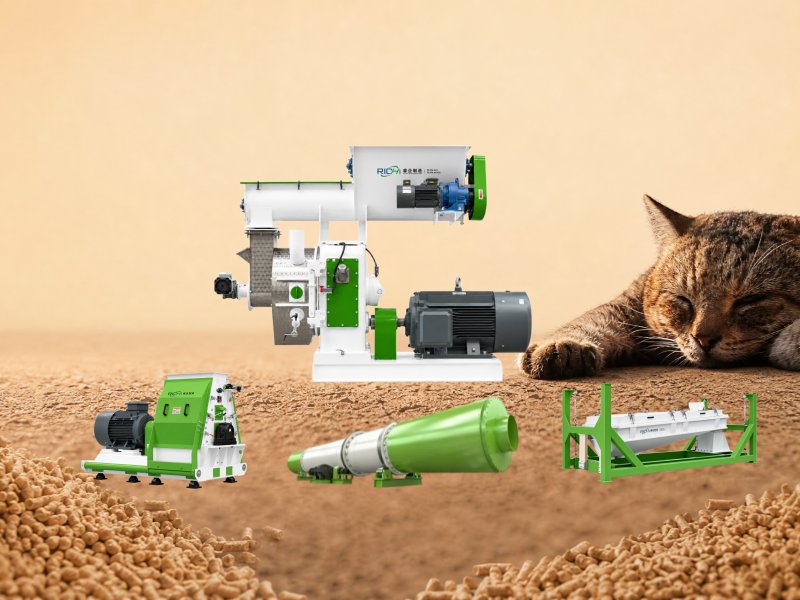
The quality of biomass pellets depends greatly on the production process and equipment selection. A complete pellet production system usually includes several important steps, such as crushing, drying, mixing, pelletizing, cooling, screening, and packaging.
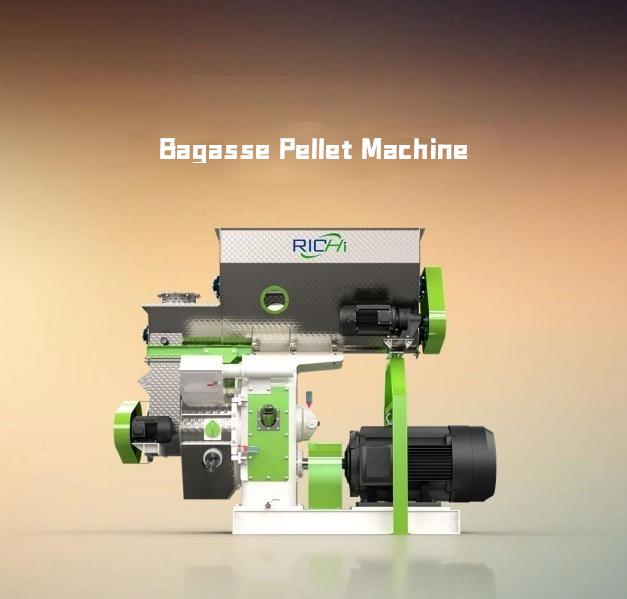
The pelletizing stage is the core part of the entire process. During this stage, prepared biomass materials are pressed through a die under high pressure, forming uniform cylindrical pellets. A reliable peanut shell pellet mill can ensure consistent pellet size, improved production efficiency, and stable operation.
For businesses planning commercial production, equipment capacity is also an important consideration. Different projects require different processing scales based on available raw materials and market demand. For example, companies looking for medium-scale biomass fuel production may consider a 2-3 T/H rice husk pellet plant for sale as a reference when planning their own agricultural waste pellet project.
Although rice husk and peanut shells have different characteristics, both belong to agricultural biomass resources and require similar processing concepts. Studying successful biomass pellet plants can help investors understand equipment configuration, production capacity, and operational requirements.
Turning Farm Residues Into Profitable Energy Products
The development of biomass pellet production creates new opportunities for farmers and agricultural enterprises. Instead of paying for waste disposal, companies can establish a circular business model by collecting agricultural residues and converting them into commercial fuel.
For example, peanut processing factories generate large amounts of shells throughout the year. By integrating pellet production into their existing operations, these companies can reduce waste management costs while creating an additional revenue stream.
Small and medium-sized biomass projects are becoming increasingly popular because they require relatively manageable investment compared with large energy facilities. With proper planning, businesses can gradually expand production according to market demand.
Reliable equipment suppliers also play an important role in project success. Professional manufacturers provide not only machinery but also technical support, production solutions, and installation guidance. Experienced companies such as Richi Machinery focus on developing customized biomass processing solutions for different raw materials and production requirements.
Environmental Benefits of Biomass Pellet Production
The conversion of agricultural waste into pellets provides multiple environmental advantages. First, it reduces open burning of crop residues, which is a major source of air pollution in many agricultural areas. Second, biomass pellets are renewable because they are produced from continuously generated organic materials.
Compared with fossil fuels, biomass pellets can help reduce greenhouse gas emissions when produced and utilized through sustainable systems. They also support the concept of a circular economy by returning value to materials that would otherwise become waste.
As governments and industries continue to promote clean energy development, biomass fuel markets are expected to expand further. Agricultural regions with abundant residues have significant potential to become important suppliers of renewable fuel.
Choosing the Right Equipment for Long-Term Development
Selecting suitable pellet equipment requires careful consideration of several factors, including raw material type, moisture content, production capacity, and final pellet application.
A professional pellet production system should provide stable operation, easy maintenance, and high energy efficiency. Businesses should also evaluate equipment durability and technical support before making an investment decision.
Manufacturers with extensive industry experience can help customers design practical solutions based on their specific conditions. From small farm-based projects to industrial-scale biomass plants, customized equipment planning can improve production efficiency and reduce unnecessary costs.
When researching biomass pellet solutions, investors should always compare technical specifications, production experience, and after-sales support. Detailed information about equipment design and application cases can help businesses make better decisions. Those interested in exploring more options can find out here now to learn additional details about modern pellet production technologies.
The Future of Agricultural Biomass Processing
Agricultural waste utilization is becoming an important part of global renewable energy development. As technology continues to improve, more companies are discovering the economic potential hidden in crop residues.
Peanut shells, rice husks, straw, and other agricultural materials are no longer simply waste products. With advanced processing technology, they can become valuable renewable fuel sources that support cleaner energy systems.
(Related Post: https://biomasspelletizer.com/husk-pellet-machine/)
The future of biomass pellet production will depend on efficient equipment, sustainable resource management, and innovative business models. For companies seeking new opportunities in renewable energy, agricultural residue pellet production represents a promising direction with strong long-term potential.
By combining suitable machinery, professional engineering support, and market-focused strategies, agricultural waste can be transformed into a valuable energy resource while contributing to environmental protection and sustainable development.