




For decades, agricultural straw was often treated as low-value waste. Farmers burned it in open fields, left it to decay naturally, or used only a small portion for livestock bedding. Today, the global renewable energy industry sees straw very differently. Wheat straw, rice straw, corn stalks, and other agricultural residues are now recognized as important biomass resources capable of replacing fossil fuels in industrial heating systems.
The increasing demand for clean energy has pushed biomass pellet production into rapid expansion. Governments around the world are encouraging industries to reduce carbon emissions and improve energy sustainability. As a result, investment in biomass fuel manufacturing continues growing year after year.
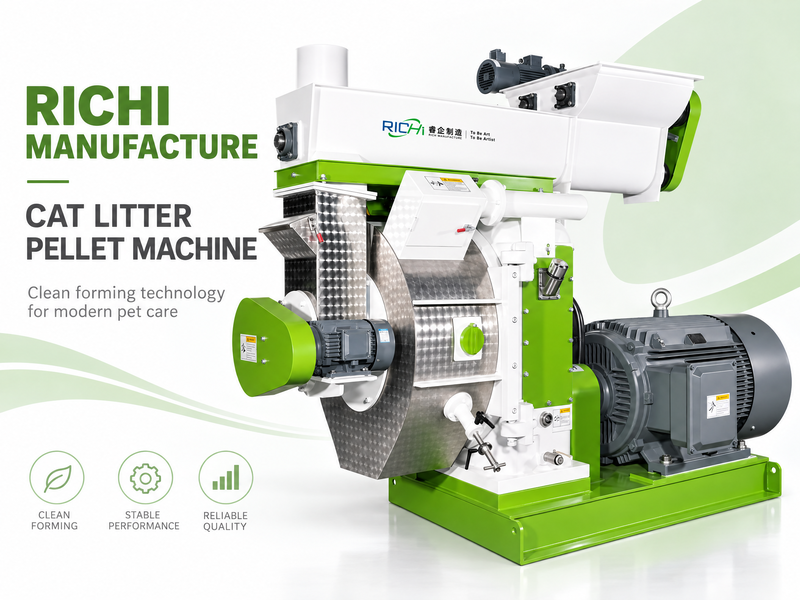
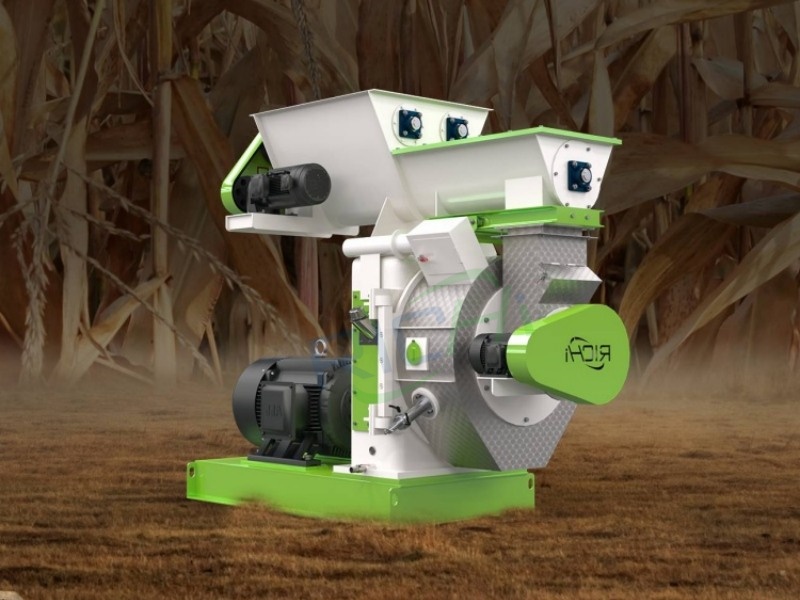
One of the most important technologies supporting this transformation is the straw pellet mill. Advanced pelletizing systems allow agricultural waste to be compressed into dense fuel pellets that are easier to transport, store, and burn efficiently.
Compared with loose straw materials, biomass pellets provide:
- Higher energy density
- Better combustion stability
- Lower transportation costs
- Easier automated feeding
- Reduced storage requirements
These advantages explain why biomass pellet projects are appearing across Europe, Asia, Africa, and South America.
Why Straw Pellet Production Is Growing Worldwide
The rapid growth of biomass fuel markets is closely linked to environmental policy and industrial energy demand.
Increasing Fossil Fuel Costs
Industries that rely heavily on coal or natural gas are experiencing rising energy costs. Biomass pellets provide an alternative fuel source with more stable long-term economics.
Carbon Reduction Targets
Many countries have introduced strict emission regulations. Biomass fuel helps factories lower greenhouse gas emissions and improve environmental compliance.
Abundant Agricultural Resources
Large agricultural economies generate enormous quantities of straw every year. Instead of wasting these materials, pelletizing creates additional economic value.
Renewable Energy Incentives
Some governments provide subsidies or tax support for biomass energy investments, encouraging industrial users to switch to renewable fuels.
Because of these trends, demand for the 3-4 T/H straw pellet production line solution has increased significantly in recent years.
How a Modern Straw Pellet Plant Works
A commercial biomass pellet facility involves multiple processing stages designed to improve pellet quality and production efficiency.
Raw Material Collection
Agricultural straw is collected from farms and transported to processing facilities. Depending on the region, raw materials may include wheat straw, rice straw, corn stalks, or mixed agricultural residues.
Crushing and Size Reduction
Large straw materials are processed through hammer mills or shredders to create uniform particle size.
Drying Process
Moisture content is one of the most important factors in pellet production. Excess moisture reduces pellet density and increases energy consumption.
Pelletizing Stage
The pellet mill compresses biomass through ring dies using high pressure and friction. Heat generated during compression helps bind the material together.
Cooling and Screening
Fresh pellets are cooled to improve hardness and remove excess moisture.
Packaging and Storage
Finished pellets are prepared for industrial use or export markets.
Modern biomass factories often choose advanced pellet plant systems with intelligent automation to improve efficiency and reduce labor costs.
Why Straw Pellets Are Better Than Raw Biomass
Pelletizing dramatically improves the commercial value of agricultural residues.
Improved Transportation Efficiency
Loose straw occupies large storage space and is expensive to transport. Pellets solve this problem through higher density.
Better Combustion Performance
Uniform pellet size improves fuel feeding and combustion consistency.
Reduced Dust and Waste
Pelletized biomass creates cleaner working environments compared with loose agricultural waste.
Easier Fuel Automation
Industrial boilers can automatically feed pellets without manual handling.
Stronger Export Potential
Many countries import biomass pellets for renewable energy applications.
These benefits continue driving global investment in biomass pellet manufacturing.
(Related Post: https://www.richipelletmill.com/hay-pellet-machine-for-sale/)
Important Equipment Features in Modern Pellet Mills
Not all pelletizing systems are equally suitable for agricultural straw processing. High-quality machinery is essential for stable operation.
Heavy-Duty Ring Dies
Straw materials require durable compression systems capable of continuous industrial operation.
Intelligent PLC Control Systems
Automation improves production consistency and reduces labor requirements.
Efficient Transmission Structures
Optimized transmission systems lower electricity consumption.
Automatic Lubrication
Lubrication systems reduce maintenance requirements and extend equipment lifespan.
Wear-Resistant Components
High-quality materials improve operational durability.
Many investors searching for efficient biomass systems eventually compare different Richi manufacture solutions because of their engineering flexibility and international project experience.
The Expanding Industrial Use of Biomass Pellets
Biomass pellets are now used across many industries.
Industrial Boilers
Factories use pellet fuel for steam generation and heating.
Food Processing Plants
Thermal systems increasingly adopt renewable biomass fuel.
Textile Industry
Many textile manufacturers are reducing coal consumption through biomass energy.
Biomass Power Stations
Power plants use biomass pellets to lower carbon emissions.
Agricultural Heating
Greenhouses and poultry farms increasingly use biomass heating systems.
The versatility of biomass fuel helps create stable long-term market demand.
Challenges in Straw Pellet Manufacturing
Although the biomass industry offers strong opportunities, producers must overcome several technical challenges.
Moisture Variability
Agricultural straw often contains unstable moisture levels that affect pellet quality.
Raw Material Supply
Seasonal availability requires proper storage planning.
Equipment Wear
Continuous industrial operation requires durable machinery.
Dust Management
Pellet plants need proper ventilation and dust control systems.
Energy Consumption
Efficient plant design is essential for profitability.
Professional engineering and operator training are critical for long-term operational success.
Why Automation Is Becoming Essential
Modern biomass pellet factories increasingly rely on intelligent automation technologies.
Advanced monitoring systems help operators track:
- Motor load
- Production output
- Pellet temperature
- Moisture levels
- Equipment wear conditions
Automation improves operational stability while reducing labor costs.
Many investors researching smart biomass technologies often review technical go to website resources to compare automation systems and project configurations.
Future Trends in Biomass Pellet Technology
The next generation of pellet manufacturing systems focuses heavily on sustainability and intelligent production.
Future trends include:
- AI-assisted production management
- Energy-saving motor systems
- Remote equipment monitoring
- Improved wear-resistant materials
- Automated moisture adjustment
- Lower emission production systems
These innovations will continue improving production efficiency and reducing operating costs.
Conclusion
Agricultural straw is rapidly becoming one of the most important renewable biomass resources in the global energy industry. Advanced pelletizing technology allows producers to transform low-value agricultural waste into profitable industrial fuel products suitable for heating systems, power generation, and export markets.
As governments and industries continue prioritizing renewable energy development, demand for biomass pellets is expected to grow steadily. Companies investing in high-quality pelletizing equipment, intelligent automation, and efficient plant design will be well positioned to benefit from the long-term expansion of the biomass energy sector.