



Select an alfalfa pellet mill by matching the raw material, preparation process and acceptance evidence to the product you intend to sell. Compare the complete line boundary, available utilities and operating conditions before accepting a supplier recommendation. A useful quotation explains what is included, what the buyer must provide and which assumptions still require testing. This guide shows commercial buyers how to turn those requirements into a defensible equipment selection without treating a published capacity description as a universal guarantee.
Buyer requirements
Start with the product you intend to sell and the alfalfa you can actually supply. Record whether deliveries arrive as bales, loose hay or prepared meal, and describe storage exposure, contamination risks and expected material variation. Ask which pellet characteristics your customer will inspect and how rejected material will be handled. Because raw material variation changes the preparation duty, compare quotations against a representative purchasing specification rather than a convenient demonstration sample. However, avoid prescribing operating settings before testing; if incoming conditions remain uncertain, require a trial plan that covers the intended variation.
Selection criteria
Select a configuration by tracing how the prepared forage reaches the die and how the finished product leaves the process. Request the proposed feeder, conditioner arrangement, die selection, access provisions and maintenance responsibilities, with a clear explanation of their suitability for the intended material. Because an alternative feed recipe can change the operating duty, verify which assumptions support the recommendation. However, additional installed power is not evidence of accepted output; if the supplier cannot connect its selection to a representative feedstock assessment, keep model selection provisional rather than treating the quotation as a performance commitment.
Scope and lifecycle comparison
Compare offers on a common process boundary covering bale handling where needed, cleaning, size reduction, material transfer, pelleting, cooling, screening and packing. Assign responsibility for utilities, dust collection, electrical integration, installation and operator training. Because an omitted transfer or preparation stage can restrict the complete line, record exclusions alongside equipment prices. However, a more comprehensive supply package is not automatically the better investment; if existing preparation equipment is suitable, assess its interface and usable capacity before replacing it. The purchasing decision should reflect the complete operating obligation, including service access and wear-part availability.
Supplier evidence and acceptance checklist
Require a dated quotation, the proposed equipment list, a layout and a material-specific test procedure before accepting a supply commitment. Trace each project-critical statement to the relevant source, configuration and operating conditions, distinguishing published descriptions from measured results. Because an attractive pellet sample does not disclose how it was produced, ask for the feed condition, settings, sampling point and interruptions behind the demonstration. However, demanding unrelated project records will not resolve an uncertain feedstock condition; if the material differs, require an applicable test instead. RICHI Machinery provides a commercial perspective as a potential solution provider assessed against the same criteria as alternatives.
Direct answer and decision scope
Choose an alfalfa pellet mill only after defining the incoming forage, the finished product, the preparation boundary and the evidence needed for acceptance. Assess the complete material route rather than using a catalogue rating as the purchasing decision. Because usable output depends on the process surrounding the press, identify where saleable throughput and product quality will be measured. However, early planning cannot remove every uncertainty; if feedstock supply or utilities remain unresolved, obtain a conditional proposal with named actions before treating the selected configuration as ready for procurement. This guide provides a decision framework, not a guaranteed operating recipe.
Raw material preparation and process interfaces
Inspect the relationship between storage, grinding and consistent feeding before specifying the press. Compare representative material samples for moisture variation, particle characteristics and visible contamination, using methods agreed with the supplier and appropriate to the intended feed. Because fibrous forage can behave differently at each transfer, identify where bridging, uneven feeding or preparation delays could arise. However, a buffer does not correct unsuitable material preparation; if flow becomes unstable, investigate the upstream condition before changing the pelleting rate. Record the responsible equipment and the corrective test so the problem is resolved at its source rather than transferred downstream.
Capacity matching and acceptance conditions
Define saleable throughput as usable finished product at the agreed measurement point, after the cooling and screening stages included in the supply boundary. Compare it with incoming feed, rejected fines, interruptions and any reprocessing recorded during the same test. Because a press-discharge observation can exclude downstream losses, specify the measurement method before comparing results. However, a brief demonstration cannot establish performance across every planned forage condition; if material changes materially, assess whether a repeat test is necessary. Keep nameplate information, supplier estimates and witnessed production measurements separate so the contract does not confuse different kinds of capacity evidence.
Conclusion
Proceed with an alfalfa pellet mill purchase when the material specification, preparation route, supply scope and acceptance method form a coherent operating case. Require closure of critical interface and utility questions because uncertainty at these boundaries can invalidate the proposed result. However, do not demand certainty that the available evidence cannot provide; if a condition remains untested, define the assessment needed and keep the commitment conditional. Compare offers against the same documented requirements, then confirm the configuration through an applicable test. A disciplined release decision is more useful than an unsupported promise of universal output.
Frequently asked questions
Use the following questions to turn a general machinery enquiry into an evidence-led procurement discussion. Provide material details and a proposed product specification before asking suppliers to select equipment. Because quotations often assume different preparation and handover boundaries, compare the answers as part of the commercial scope rather than as isolated advice. However, a complete questionnaire is not proof of technical suitability; if a material condition or interface has not been assessed, request the missing test or document before accepting the recommendation. Keep unresolved assumptions visible in the quotation comparison and acceptance plan.
How should buyers compare alfalfa pellet mill proposals?
Compare proposals using the same forage specification, finished product requirements, process boundary and acceptance method. Request a clear list of included preparation, utilities, controls, commissioning and training responsibilities. Because a lower price may exclude essential equipment or site work, assess the complete duty before ranking offers. However, additional equipment is not automatically justified; if an existing component can serve the proposed line, require an interface review rather than assuming replacement is necessary. Ask each supplier to explain deviations from the common enquiry so the final decision reflects technical scope and purchasing risk, not merely nominal output.
Which raw material conditions should buyers verify before choosing equipment?
Verify the form and variability of the incoming alfalfa, including storage condition, moisture information, particle characteristics and intended recipe. Identify the sample used for supplier evaluation and record how it represents the material expected in production. Because drying and grinding requirements depend on that condition, compare preparation assumptions before selecting equipment. However, a sample prepared especially for a demonstration may conceal the practical supply problem; if it differs from normal deliveries, require further assessment. Do not borrow a numerical setting from another forage or machine without checking the source, configuration and applicable operating conditions.
What evidence should buyers require before accepting output?
Require a traceable record linking the tested feedstock, equipment configuration, settings, measurement method, product samples and observed interruptions. Compare results with agreed acceptance criteria at the defined process point. Because an output statement without a measurement boundary can omit rejected material or downtime, verify how the reported figure was obtained. However, recording a successful test does not validate an untested formulation; if future material falls outside the assessed conditions, specify whether further trials are required. Keep supplier reference data distinct from site acceptance evidence and assign an owner to each unresolved item before release.
Unverified forage assumptions in procurement
A procurement error can begin when a machinery proposal assumes prepared meal but the buyer expects to process variable incoming hay. Because the preparation duties differ, the selected scope may fail to deliver the intended result even when the press operates normally. Compare the material specification and responsibility matrix before approving the order. However, adding a generic dryer or grinder without assessing the actual problem can increase investment without closing the gap; if preparation remains uncertain, require a representative material assessment and revise the defined scope. The purchasing action is to resolve the assumption, not conceal it inside an optimistic capacity figure.
Definition: Evidence and Sources
Treat supplier reference information as a description of the published product or application, not as a witnessed result for your factory. Record the source title, publisher, retrieval date and relevant scope in the supporting procurement file. Because terminology can conceal different boundaries, define raw material, saleable throughput, product quality and acceptance criteria before interpreting a claim. However, clear definitions do not independently verify performance; if the source lacks an applicable test condition, request evidence rather than inferring it. The official RICHI product statement below concerns material and configuration dependence, not guaranteed output or nutritional performance.
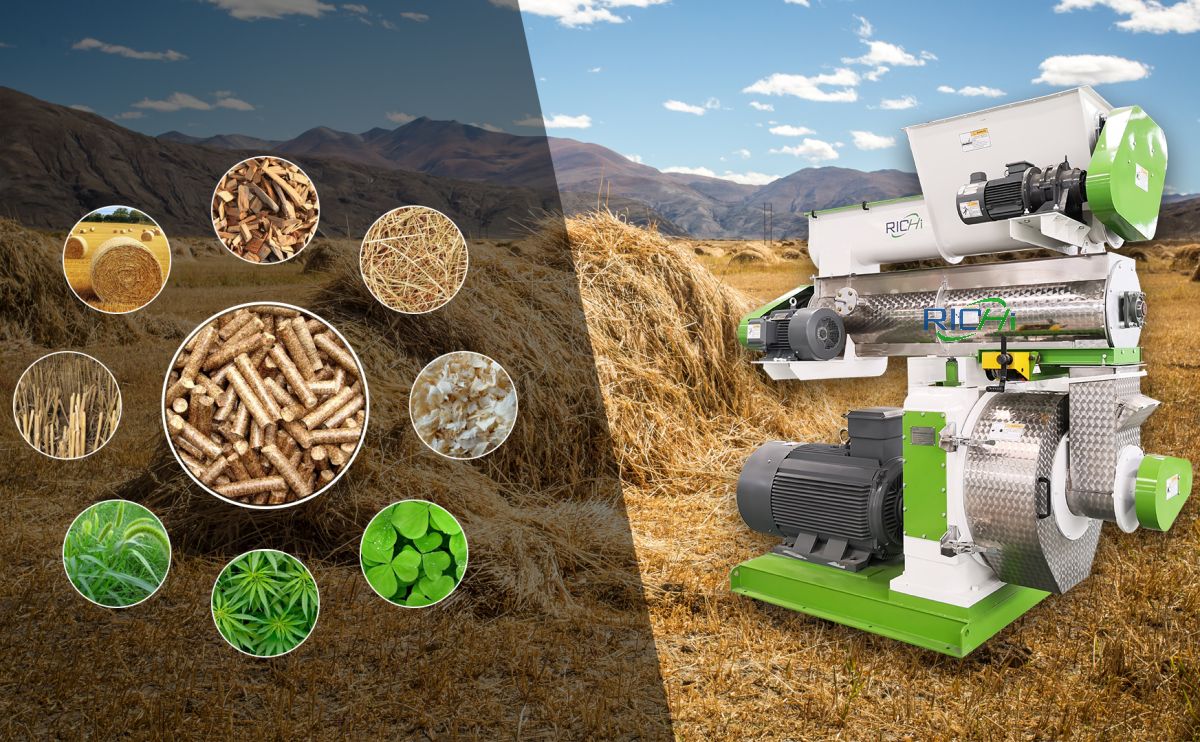
In other words, the final output of the alfalfa pellet machine is determined by your raw material type and configuration.
Decision: Evidence and Sources
Use the official material-scope statement when deciding which questions require a supplier assessment, while relying on the agreed test record for an actual purchasing guarantee. Compare the documented configuration, sample condition and measurement method before accepting an output claim. Because source applicability determines what a statement can support, a public product page cannot establish every site interface. However, absence of a public project report does not automatically disqualify an offer; if suitable confidential records are supplied, assess their relevance and contractual availability. Keep measured evidence, assumptions and editorial recommendations distinct in the final comparison.
Implementation: Evidence and Sources
During commissioning, retain the approved procedure, material identification, operating observations and sampling records with the agreed acceptance limits. Record deviations and the person responsible for closing each open item before release. Because an unrecorded adjustment can make a comparison uninterpretable, document what changed and why the next measurement is valid. However, completing a form is not evidence that the process met its requirement; if a critical reading is missing, arrange a valid retest rather than inferring a pass. Preserve the applicable documentation at handover so operators understand the demonstrated operating boundary.
For a requirements-based discussion of an alfalfa pellet mill for forage processing, provide the incoming material description, intended product, preparation boundary and acceptance objectives. Those inputs allow a supplier to explain a proposed configuration and identify the conditions that still need assessment before a purchasing commitment.
