

Introduction
Aquatic feed production is one of the most important sectors supporting the global aquaculture industry. As fish farming continues to expand worldwide, feed manufacturers face increasing pressure to produce high-quality feed efficiently while controlling costs and maintaining sustainability. Feed production efficiency directly influences manufacturing profitability, product quality, resource utilization, and customer satisfaction.
In modern aquaculture, feed accounts for a significant portion of total production costs. Therefore, improving feed production efficiency is a priority for feed mill operators and investors alike. Efficient feed production not only reduces manufacturing expenses but also helps ensure consistent feed quality, improved fish growth performance, and reduced environmental impact.
Numerous factors influence aquatic feed production efficiency, including raw material quality, formulation design, processing technology, equipment performance, automation levels, workforce skills, and quality management practices. Equipment such as the floating fish feed pellet machine also plays a crucial role in determining production capacity and feed quality.
This article explores the major factors that affect aquatic feed production efficiency and provides insights into how manufacturers can optimize their operations.
Understanding Feed Production Efficiency
Feed production efficiency refers to the ability of a manufacturing facility to maximize output while minimizing costs, waste, downtime, and resource consumption.
Efficient production systems typically achieve:
- High production capacity
- Consistent feed quality
- Low energy consumption
- Minimal material losses
- Reduced labor requirements
- Reliable equipment performance
Improving efficiency requires a comprehensive approach that addresses every stage of the production process.
Raw Material Quality
One of the most significant factors affecting production efficiency is the quality of raw materials.
Consistent Ingredient Quality
High-quality ingredients provide predictable processing characteristics.
Benefits include:
- Improved grinding performance
- Better mixing uniformity
- Stronger pellet formation
- Reduced equipment wear
Poor-quality ingredients often create production challenges that reduce efficiency.
Moisture Content
Raw materials with excessive moisture can cause:
- Storage problems
- Mold growth
- Pellet quality issues
- Processing inefficiencies
Maintaining proper moisture levels improves overall production performance.
Particle Characteristics
Ingredient density, fiber content, and texture influence how materials behave during processing.
Selecting consistent raw materials helps stabilize production operations.
Feed Formulation Design
Feed formulation affects both nutritional quality and manufacturing efficiency.
Ingredient Compatibility
Some ingredients process more efficiently than others.
Proper formulation helps improve:
- Pellet durability
- Water stability
- Production throughput
Nutrient Balance
Balanced formulations improve feed performance while reducing unnecessary ingredient costs.
Starch Content
Adequate starch levels are important for pellet binding and extrusion performance.
Formulations lacking sufficient starch may reduce pellet quality and production efficiency.
Careful formulation design contributes significantly to efficient manufacturing.
Grinding Efficiency
Grinding is one of the first major processing steps in feed production.
Particle Size Uniformity
Uniform particle size improves:
- Mixing consistency
- Pellet quality
- Nutrient distribution
Equipment Performance
Efficient hammer mills and pulverizers help maintain production flow while minimizing energy consumption.
Energy Usage
Grinding can account for a substantial portion of feed mill energy consumption.
Optimizing grinding parameters reduces costs and improves overall efficiency.
Mixing Accuracy
Proper mixing ensures even distribution of nutrients throughout the feed.
Batch Consistency
Uniform mixing guarantees that each pellet contains the intended nutrient profile.
Reduced Ingredient Waste
Accurate mixing minimizes formulation errors and raw material losses.
Production Reliability
Consistent mixing improves product quality and reduces customer complaints.
Modern automated mixers significantly enhance feed production efficiency.
Conditioning Performance
Conditioning prepares feed materials for pelletizing or extrusion.
During this process, steam is added to increase temperature and moisture.
Improved Pellet Formation
Proper conditioning promotes:
- Better starch gelatinization
- Improved pellet strength
- Enhanced digestibility
Increased Production Capacity
Well-conditioned materials flow more efficiently through pelletizing equipment.
Reduced Equipment Stress
Proper conditioning lowers mechanical resistance during pellet formation.
Efficient conditioning contributes directly to higher production output.
Equipment Quality and Performance
The performance of feed manufacturing equipment has a major impact on efficiency.
Modern Production Technology
Advanced machinery provides:
- Higher throughput
- Improved automation
- Better quality control
Equipment Reliability
Frequent breakdowns reduce productivity and increase operating costs.
Reliable machinery minimizes downtime and maintains continuous production.
Production Flexibility
Modern equipment can process multiple feed formulations and pellet sizes with minimal adjustments.
This flexibility enhances operational efficiency.
The Importance of Floating Fish Feed Pellet Machines
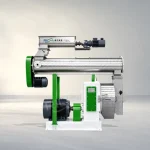
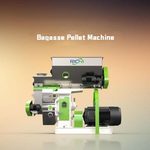
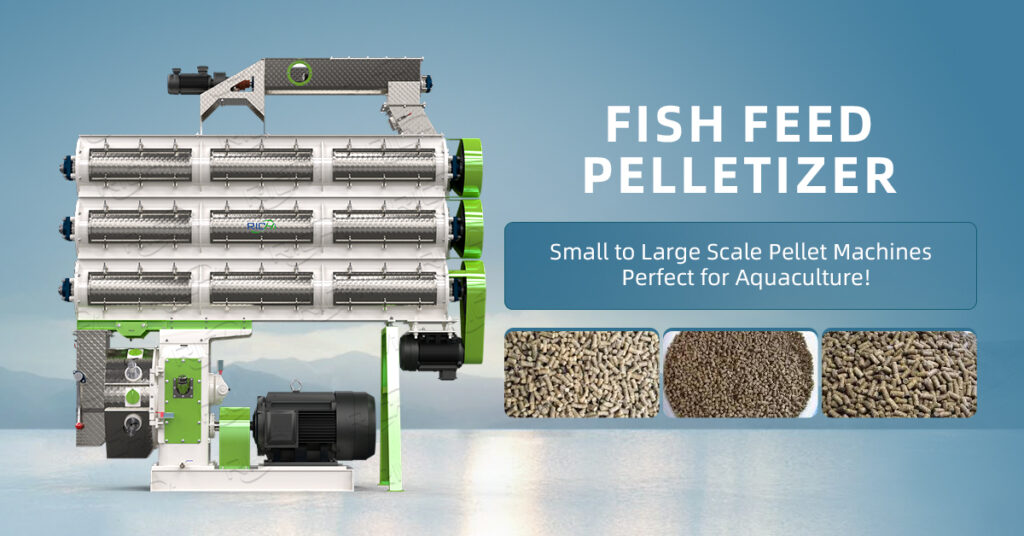
Among all production equipment, the floating fish feed pellet machine plays a critical role in feed manufacturing efficiency.
https://pelletisingmachine.com/fish-feed-pellet-making-machine
Floating feed has become increasingly popular because it allows farmers to monitor feeding behavior and reduce waste.
A high-quality floating fish feed pellet machine offers several advantages:
High Production Capacity
Modern machines can produce large volumes of feed efficiently.
Consistent Pellet Quality
Uniform pellets improve customer satisfaction and fish performance.
Better Feed Expansion Control
Accurate extrusion technology ensures consistent floating characteristics.
Reduced Material Waste
Efficient pellet formation minimizes losses during production.
Energy Efficiency
Advanced machine designs reduce power consumption while maintaining productivity.
For many feed manufacturers, investing in a high-performance floating fish feed pellet machine is essential for maximizing efficiency.
Automation and Digital Control Systems
Automation has transformed modern feed manufacturing.
Automated Ingredient Handling
Automated systems reduce labor requirements and improve accuracy.
Computerized Production Control
Digital systems monitor:
- Temperature
- Moisture
- Production rates
- Equipment performance
Real-Time Adjustments
Operators can quickly respond to production changes and maintain optimal conditions.
Improved Traceability
Production data supports quality assurance and process optimization.
Automation significantly improves production efficiency while reducing operational risks.
Employee Skills and Training
Even highly automated facilities require skilled personnel.
Equipment Operation
Properly trained operators maximize machine performance.
Process Management
Employees must understand:
- Feed formulations
- Production parameters
- Quality requirements
Problem Solving
Experienced staff can identify and resolve issues before they impact production.
Regular training programs contribute to long-term operational success.
Quality Control Systems
Quality management plays a vital role in production efficiency.
Raw Material Testing
Incoming ingredients should be tested for:
- Nutrient content
- Moisture levels
- Contamination
Process Monitoring
Manufacturers should monitor:
- Grinding performance
- Mixing accuracy
- Conditioning quality
- Pellet characteristics
Finished Product Evaluation
Quality testing helps ensure customer satisfaction and reduces product returns.
Strong quality control systems improve efficiency by preventing costly production errors.
Energy Management
Energy consumption is a major operating cost in feed manufacturing.
Equipment Efficiency
Modern machinery often consumes less energy than older systems.
Process Optimization
Proper process settings reduce unnecessary energy usage.
Heat Recovery Systems
Some facilities recover waste heat for use in other production processes.
Preventive Maintenance
Well-maintained equipment operates more efficiently and consumes less power.
Energy management programs contribute directly to profitability.
Maintenance Practices
Equipment maintenance is critical for maintaining production efficiency.
Preventive Maintenance
Regular inspections help prevent unexpected failures.
Scheduled Servicing
Routine servicing extends equipment lifespan and improves reliability.
Spare Parts Availability
Maintaining critical spare parts minimizes downtime when repairs are required.
Predictive Maintenance
Advanced monitoring systems can identify potential problems before breakdowns occur.
Effective maintenance programs improve productivity and reduce costs.
Production Planning and Scheduling
Efficient production planning helps maximize resource utilization.
Batch Scheduling
Proper scheduling minimizes changeover times between feed formulations.
Inventory Management
Maintaining appropriate inventory levels prevents production interruptions.
Capacity Utilization
Manufacturers should optimize equipment usage to maximize output.
Good planning improves workflow efficiency and customer service.
Packaging and Logistics
The final stages of feed production also affect overall efficiency.
Automated Packaging Systems
Modern packaging equipment increases throughput and reduces labor costs.
Warehouse Management
Efficient storage systems improve inventory control.
Transportation Planning
Effective logistics reduce delivery costs and improve customer satisfaction.
Optimizing post-production operations enhances overall business performance.
Environmental Factors
Environmental conditions can influence feed production efficiency.
Temperature
Extreme temperatures may affect ingredient storage and equipment performance.
Humidity
High humidity can impact moisture-sensitive materials and finished feed.
Facility Design
Proper ventilation and environmental control systems support efficient operations.
Manufacturers should consider environmental conditions when designing and operating feed plants.
Sustainability and Resource Utilization
Sustainability is becoming increasingly important in aquatic feed production.
Reducing Waste
Efficient production systems minimize raw material losses.
Alternative Ingredients
Sustainable protein sources can improve long-term resource availability.
Water Conservation
Modern facilities often incorporate water-saving technologies.
Lower Carbon Footprint
Energy-efficient equipment helps reduce environmental impact.
Sustainable operations often result in both environmental and economic benefits.
Future Trends Affecting Production Efficiency
Several emerging technologies are expected to improve feed production efficiency further.
Artificial Intelligence
AI can optimize production parameters in real time.
Smart Manufacturing
Connected systems improve process visibility and control.
Advanced Sensors
Modern sensors provide more accurate monitoring capabilities.
Fully Automated Feed Mills
Future facilities may operate with minimal human intervention.
These innovations will continue improving productivity and competitiveness.
Conclusion
Aquatic feed production efficiency depends on a wide range of interconnected factors. Raw material quality, feed formulation, grinding performance, conditioning effectiveness, equipment reliability, automation systems, workforce skills, quality control procedures, and maintenance practices all play important roles in determining overall productivity.
Among the most critical pieces of equipment is the floating fish feed pellet machine, which directly influences production capacity, pellet quality, energy consumption, and operational efficiency. Manufacturers who invest in advanced technology, optimize production processes, and maintain strong quality management systems are better positioned to improve efficiency and remain competitive.
As global aquaculture continues to expand, efficient feed production will become increasingly important. Companies that focus on continuous improvement, automation, sustainability, and innovation will be best equipped to meet future market demands while maximizing profitability and supporting the long-term growth of the aquaculture industry.