

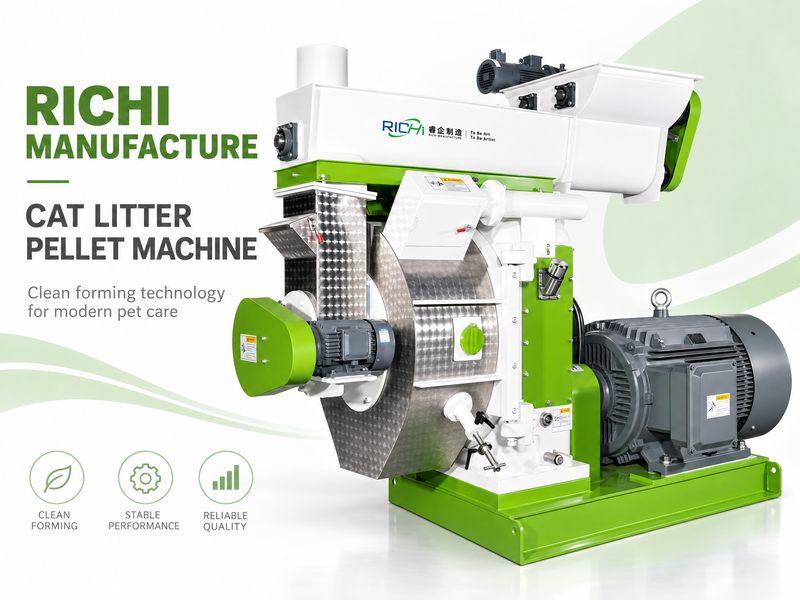
Understanding the Relationship Between Raw Materials and Equipment
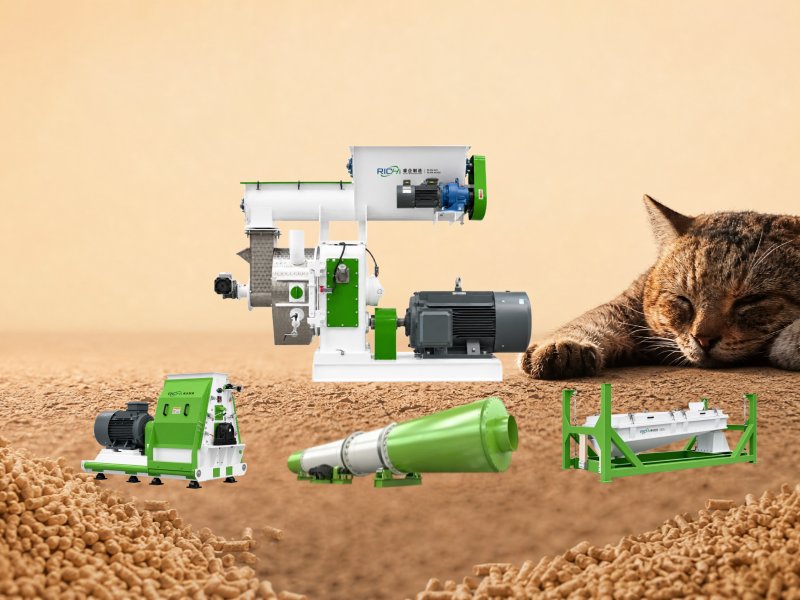
Starting a cat litter manufacturing business requires more than finding a machine that compresses loose materials into pellets. The final product must meet expectations for absorbency, granule strength, dust control, and ease of handling. Raw material availability, processing conditions, and the intended market all influence which production technology makes the most sense. A cat litter pellet machine should therefore be selected as part of a broader manufacturing strategy rather than as an isolated purchase.
The first decision is the type of litter the factory intends to produce. Bentonite, soybean residue, wood fiber, recycled paper, and other plant-based materials behave differently during processing. Mineral materials may require careful moisture management and consistent feeding, while fibrous materials can demand additional size reduction and formula adjustments. A machine that performs well with one recipe may not deliver the same output when the composition changes.
Evaluating Production Capacity Before Purchasing Equipment
Match Output to Realistic Sales Demand
Production capacity should reflect expected sales rather than the largest number advertised in a product specification. A new business serving regional pet shops may benefit from a compact operation that can expand later. A supplier targeting supermarket chains or export distributors may need greater output, larger storage capacity, and more automated material handling.
When comparing a 0.5-40t/h cat litter production line, buyers should examine the assumptions behind the quoted capacity. Material type, moisture content, formulation, pellet diameter, and operating schedule can all affect actual throughput. Nominal capacity is useful for preliminary comparison, but production trials and engineering calculations provide a stronger basis for investment decisions.
A realistic production plan should also account for maintenance, cleaning, product changeovers, and occasional interruptions in raw material supply. A plant that operates at a manageable load with predictable quality may be more profitable than a larger facility that struggles to maintain consistent output.
Consider Future Product Development
Manufacturers may initially focus on a single litter category before introducing additional formulations. If future expansion is likely, the equipment layout should leave room for extra mixers, dryers, storage silos, or packaging systems. However, flexibility should not become an excuse to purchase unnecessary machinery at the beginning. The goal is to provide a practical route for expansion without overinvesting in equipment that remains idle.
Designing the Processing Route Around the Recipe
Prepare Materials for Stable Pellet Formation
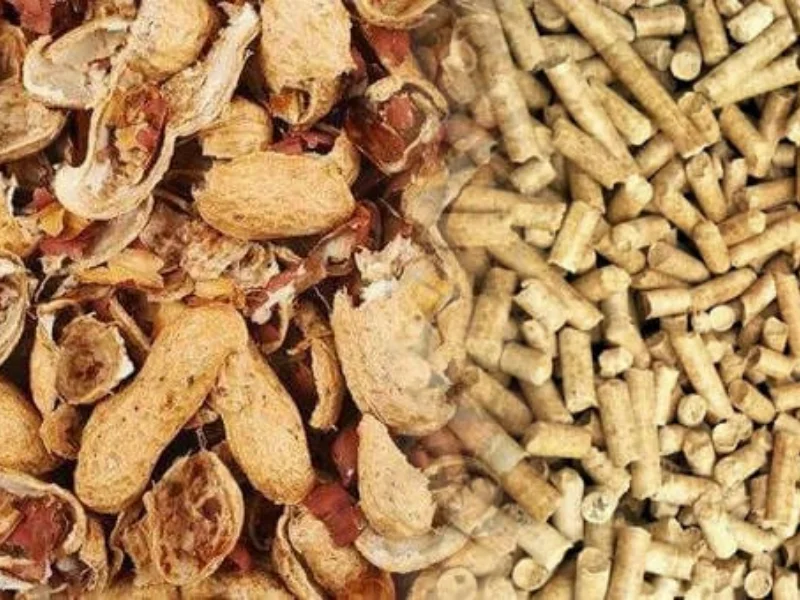
The processing route normally begins with raw material inspection and preparation. Oversized wood pieces or agricultural residues may need shredding before finer grinding. Materials with inconsistent particle sizes can mix unevenly and create variations in pellet density. Screening, controlled feeding, and suitable storage arrangements help reduce these problems before material reaches the pelleting stage.
Formulation also matters. Plant fibers may need starches or suitable binders to improve cohesion, depending on the intended product. Mineral-based recipes require different process considerations. The manufacturer should establish the recipe and evaluate its forming characteristics before finalizing the machine configuration.
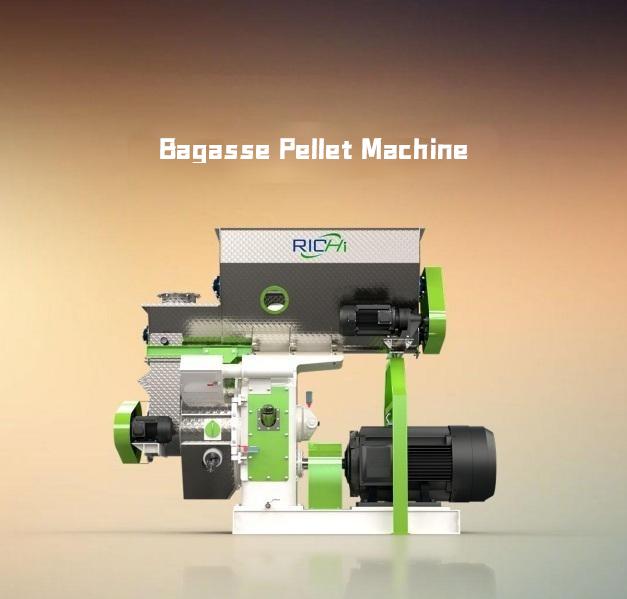
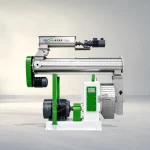
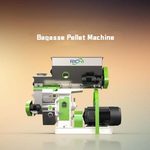
A properly selected conditioner, feeder, and ring die system can help maintain a consistent flow into the pelleting chamber. The cutter then determines the approximate length of the emerging pellets. These components should work together rather than being specified independently.
Protecting Finished Product Quality
After pellet formation, cooling and screening are important for controlling product condition. Newly formed pellets may retain heat and moisture, making careful handling necessary before storage or packaging. A suitable cooling stage allows the material to stabilize, while screening removes oversized or broken particles.
The factory should define quality standards before commissioning. Pellet diameter, length distribution, breakage rate, dust content, moisture, and absorbency may all be relevant, depending on the product specification. These standards give operators clear targets and help identify whether a problem originates in the recipe, conditioning process, die, cutter, or downstream equipment.
For additional technical information, manufacturers may consult an equipment index to compare machine categories, processing functions, and compatible production arrangements. The most useful reference is one that connects equipment characteristics with actual material requirements rather than presenting specifications without context.
Assessing the Supplier and Long-Term Operating Costs
A machine quotation represents only part of the investment. Electricity consumption, spare parts, labor, maintenance access, installation, and operator training influence the total cost of ownership. Buyers should ask which components require routine inspection and how quickly wear parts can be replaced. They should also clarify what technical support is available during installation and after production begins.
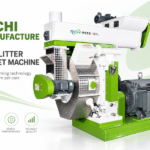
An experienced supplier such as Richi manufacture can help evaluate the proposed recipe, capacity target, and equipment combination before a purchase decision is made. The buyer should provide accurate information about raw materials, desired output, pellet dimensions, and the available factory space. These details make it easier to identify unsuitable configurations before they become costly mistakes.
Conclusion: Select a Complete Production Strategy
Successful cat litter manufacturing depends on the relationship between product design, raw material preparation, pelleting, finishing, and quality control. Equipment selection should begin with a clear understanding of the target market and the material being processed. By comparing realistic throughput, process requirements, operating costs, and future expansion needs, investors can build a facility that is practical to operate and better prepared for consistent production.
View details: https://www.richimanufacture.com/cat-litter-pellet-machine/