



Introduction
Germany has always been recognized for its strong industrial foundation, advanced manufacturing capabilities, and commitment to environmental sustainability. As energy transformation becomes a major global challenge, German industries are increasingly exploring renewable fuel solutions that can reduce dependence on traditional energy sources while improving resource efficiency.
Among various renewable energy options, biomass fuel production has become an important area of development. The reason is simple: biomass resources are widely available, easy to store, and can be integrated into existing energy systems.
Industrial companies, forestry businesses, and agricultural enterprises are discovering that materials once considered waste can become valuable energy resources. Through modern processing technology, materials such as wood residues, agricultural by-products, and organic waste can be transformed into standardized fuel products.
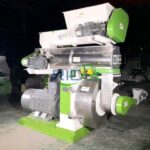
For businesses planning biomass projects in Germany, selecting suitable processing equipment is essential. A reliable german pellet machine can help companies achieve stable production, improve fuel quality, and meet the increasing requirements of European renewable energy markets.
Germany’s Growing Demand for Renewable Biomass Solutions
The transition toward renewable energy has encouraged many German industries to rethink how resources are used.
Traditional energy systems have several challenges:
- Increasing fuel costs
- Environmental pressure
- Dependence on imported resources
Biomass provides an alternative approach by using locally available materials.
Unlike some renewable energy sources that depend on weather conditions, biomass fuel offers flexibility because it can be:
- Produced throughout the year
- Stored for future use
- Transported to different locations
This makes biomass an attractive option for industrial energy applications.
The Role of Industrial Waste in Biomass Development
One of the biggest opportunities in Germany’s biomass industry is the utilization of industrial waste.
Many industries generate organic residues during production.
Examples include:
Wood Processing Waste
The woodworking industry produces large quantities of:
- Sawdust
- Wood chips
- Small branches
- Processing residues
These materials can be converted into valuable fuel products instead of being discarded.
Agricultural Residues
Agricultural businesses also produce significant biomass resources.
Common examples include:
- Straw
- Crop shells
- Plant stalks
- Processing by-products
Proper processing allows these materials to enter the renewable energy supply chain.
Organic Industrial Materials
Some industries generate organic materials that require proper disposal.
Biomass production creates a solution by transforming these materials into useful products.
How Modern Biomass Production Systems Improve Efficiency
A successful biomass fuel project requires an efficient production process.
Modern facilities usually include several important stages.
Raw Material Preparation
The first step is preparing biomass materials for processing.
This may involve:
- Removing impurities
- Crushing large particles
- Adjusting moisture levels
Proper preparation improves production stability.
Different raw materials require different processing methods.
For example, wood materials may require less preparation compared with agricultural residues because of their natural characteristics.
Material Compression
The compression stage is the core part of fuel production.
During this process, prepared biomass particles are compressed into dense forms.
High-quality compression helps achieve:
- Better durability
- Uniform size
- Improved transportation efficiency
A suitable system such as a commercial wood pellet maker is often considered by companies that process wood residues and require reliable output for commercial markets.
Cooling and Storage
After production, fuel products need proper cooling.
Cooling helps:
- Increase product strength
- Prevent deformation
- Improve storage performance
Storage conditions are also important because moisture and environmental factors can influence product quality.
Why German Companies Focus on Equipment Reliability
German industrial users often prioritize long-term operating performance rather than only initial equipment costs.
This is because production facilities may operate continuously for many years.
Important equipment considerations include:
Mechanical Durability
A reliable production system should handle continuous operation with minimal interruptions.
Important components include:
- Transmission systems
- Bearings
- Compression parts
- Feeding equipment
Energy Efficiency
Energy consumption directly affects production costs.
Efficient equipment helps companies reduce:
- Electricity expenses
- Operating costs
- Production losses
Easy Maintenance
Maintenance requirements should also be considered before investment.
Equipment with convenient maintenance design helps reduce downtime and improve productivity.
Biomass Fuel Applications in German Industries
Biomass fuel has multiple applications across different sectors.
Manufacturing Industry
Many factories require stable energy sources for production processes.
Biomass fuel can support:
- Industrial heating
- Boiler systems
- Energy supply facilities
Agricultural Enterprises
Agricultural companies can create additional value from their own residues.
Instead of paying disposal costs, they can process materials into commercial fuel products.
Heating Market
Renewable heating demand continues increasing in many European regions.
Biomass fuel provides a practical solution for users seeking alternatives to traditional heating methods.
Key Investment Considerations for Biomass Projects
Companies planning biomass projects should evaluate several important factors.
Location Selection
The project location affects:
- Raw material transportation
- Production costs
- Market access
A suitable location should provide convenient access to both resources and customers.
Production Scale
Different businesses require different production capacities.
Small projects may focus on local markets, while larger facilities may target regional or international customers.
Capacity planning should consider:
- Current demand
- Future growth
- Available investment
Technology Selection
Technology selection determines production efficiency and product quality.
Companies should evaluate:
- Equipment structure
- Automation level
- Energy consumption
- Technical support
A professional production solution should match the specific requirements of each project.
Many businesses compare different technical solutions and review industry materials before selecting suppliers. Some investors may also explanation resources to better understand production processes and investment factors.
The Future of Biomass Fuel Manufacturing in Germany
Germany’s biomass industry will continue developing as renewable energy demand increases.
Several trends are expected to influence future projects.
Smart Manufacturing
Digital technology will improve production management through:
- Automated monitoring
- Data collection
- Intelligent control systems
These technologies will help companies improve efficiency.
Greater Resource Integration
Future biomass projects will focus on using more types of resources.
Potential materials include:
- Forestry residues
- Agricultural waste
- Industrial organic materials
Flexible production systems will become increasingly valuable.
Stronger Sustainability Requirements
Environmental standards will continue influencing the industry.
Future companies will need to focus on:
- Efficient resource use
- Lower energy consumption
- Responsible production methods
Conclusion
Germany’s biomass industry demonstrates how industrial development and environmental protection can work together.
By converting agricultural residues, forestry waste, and industrial by-products into renewable fuel, companies can create economic value while supporting cleaner energy goals.
Successful biomass projects require careful planning, reliable technology, and a clear understanding of market demand.
For businesses entering this sector, choosing suitable equipment and developing an efficient production strategy will be essential for long-term success.
As Germany continues its renewable energy transition, biomass fuel production will remain an important opportunity for industries seeking sustainable growth.
For companies planning large-scale biomass projects in Germany, a complete pellet plant can integrate raw material preparation, processing, pelletizing, cooling, and packaging systems to improve production efficiency and ensure stable renewable fuel output.
Related Post:https://pelletizerequipment.com/paper-pellet-machine/