



When we think of livestock, cattle, poultry, and swine usually dominate the conversation. Rabbits, however, are quietly emerging as one of the most efficient and sustainable protein sources available. They reproduce rapidly, require minimal space, and convert feed into meat at a rate that rivals—and sometimes exceeds—that of chickens. Yet, despite these advantages, many rabbit farmers are still operating with outdated feeding practices that undermine their potential.
The difference between a mediocre rabbitry and a highly profitable one often comes down to one critical factor: feed quality. Rabbits have a unique digestive system that demands a delicate balance of fiber, protein, and energy. Getting this balance wrong leads to digestive disorders, reduced growth rates, and high mortality. Getting it right, however, unlocks extraordinary productivity. And the most effective way to achieve that precision is through modern feed processing.
The Rabbit Digestive System: A Delicate Engine
Rabbits are hindgut fermenters, meaning they rely on microbial activity in their cecum to break down fibrous materials. Unlike ruminants, they cannot regurgitate and re-chew their food. Instead, they practice cecotrophy—the consumption of soft fecal pellets—to extract maximum nutrition from their diet. This unique adaptation means that the physical form and composition of their feed are critically important.
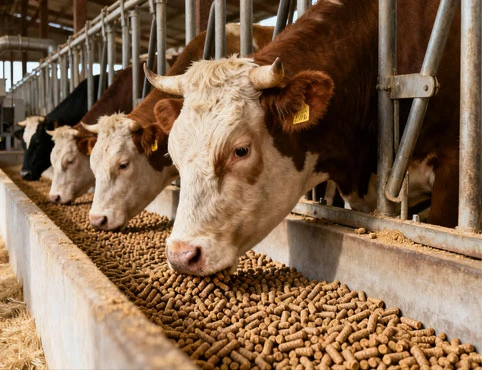
If the feed is too powdery or inconsistent, rabbits will waste a significant portion of it, sifting through the mash and leaving behind the fibrous particles they need for gut motility. This selective feeding not only leads to nutritional deficiencies but also increases the risk of gastrointestinal stasis, a potentially fatal condition. Pelleted feed eliminates this problem by compressing all ingredients into uniform, hard pellets that rabbits cannot easily separate. Every bite delivers the exact formulation the nutritionist intended.
Beyond Rabbits: The Versatility of Modern Milling
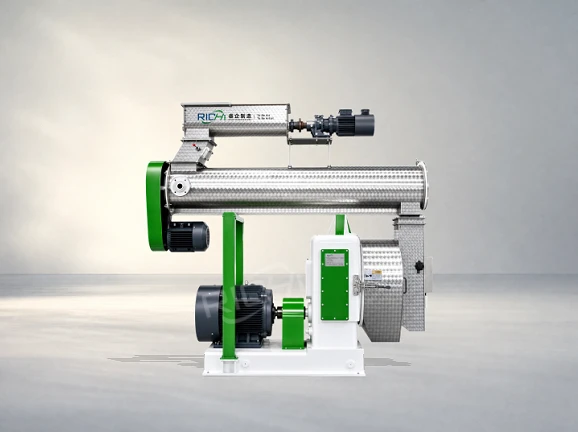
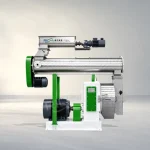
While rabbits have specific requirements, the equipment used to process their feed often serves a broader purpose. Many farms raising multiple species benefit from machinery that can handle diverse formulations. A rabbit feed pellet mill is typically designed with smaller die holes and lower compression ratios compared to machines for cattle or poultry, ensuring the pellets are hard enough to promote dental health but not so dense that they are difficult for rabbits to chew. These mills often feature adjustable speed controls and interchangeable dies, allowing farmers to switch between different pellet sizes for different growth stages—from weanling kits to breeding does.
However, for operations that have outgrown the small-scale approach, the transition to industrial capacity is a game-changer. A 1-40T/H industrial feed pellet machine represents the upper echelon of feed processing technology. These massive units are the backbone of commercial feed plants, capable of producing tens of tons of high-quality pellets per hour. They integrate advanced conditioning systems that precisely control moisture and temperature before compression, resulting in pellets with exceptional durability and digestibility. For rabbit farms scaling up to supply regional markets, this level of throughput is not just an advantage—it is a necessity.
Building a Complete Production Ecosystem
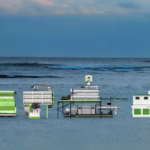
A single machine, no matter how powerful, is only one component of a successful operation. The true efficiency comes from integrating the pellet mill into a comprehensive pellet plant that includes pre-grinding, mixing, conveying, cooling, and packaging systems. A well-designed plant ensures a continuous, automated workflow that minimizes labor costs and maximizes output consistency.
The pre-grinding stage reduces raw materials like alfalfa, corn, and soybean meal to a uniform particle size, which is essential for proper steam conditioning and pellet formation. The mixer then blends these ingredients with vitamins, minerals, and binders to create a homogeneous mash. After pelletizing, the hot, moist pellets pass through a cooler that reduces their temperature and moisture content, hardening them for storage and transport. Finally, a screening system removes fines and broken pellets, which are recycled back into the process. This closed-loop design eliminates waste and ensures that every kilogram of raw material contributes to the final product.
Economic Drivers: Why Pelletizing Pays
The economics of feed pelletization are compelling, particularly for rabbit production. Rabbits have a high metabolic rate and require frequent feeding. If feed is wasted—and studies suggest that up to 15% of mash feed is wasted through spillage and selective eating—those losses compound quickly over a large herd. Pelleted feed reduces wastage to minimal levels, often below 2%.
Moreover, pelleted feed supports faster growth and better feed conversion. Rabbits fed high-quality pellets reach market weight several days earlier than those fed mash, reducing the number of days they consume feed and generating labor savings. For commercial operations, this acceleration translates into more production cycles per year and higher annual turnover.
There is also a marketing angle. Processed, uniform pellets are easier to brand and sell to other farmers. Many rabbitries have diversified their income by producing surplus pellets for the pet food market or for specialty livestock operations. The ability to control the entire production chain—from raw material procurement to finished pellet packaging—gives farmers a competitive edge in an increasingly quality-conscious marketplace.
Quality Control and Nutritional Precision
One of the most overlooked benefits of pelletization is the ability to implement rigorous quality control. When you produce your own pellets, you know exactly what goes into them. There are no hidden fillers, no adulterated ingredients, and no surprises. This transparency is particularly valuable for farmers who want to avoid the antibiotics and growth promoters that are commonly found in commercial feeds.
Modern milling technology also allows for the inclusion of heat-sensitive additives, such as probiotics and enzymes, through post-pellet liquid coating systems. These additives are destroyed at the high temperatures inside the pellet chamber, but applying them after cooling preserves their biological activity. This capability opens up new possibilities for precision nutrition, enabling farmers to tailor diets to specific health challenges or production goals.
Scaling with Confidence
For small-scale farmers, the prospect of investing in industrial equipment can be intimidating. However, the modular nature of modern feed plants allows for phased investment. You can start with a basic milling setup and gradually add components as your herd grows and your budget allows. Many manufacturers offer flexible configurations that can be upgraded without scrapping existing machinery.
The key is to choose a system that matches your current needs while offering a clear path for expansion. This forward-looking approach ensures that you are not forced to replace equipment every few years, which is both costly and disruptive. A scalable pellet plant is an investment in the long-term resilience of your farming business.
Sustainability and Waste Reduction
Sustainability is no longer a buzzword—it is a business imperative. By producing feed on-farm, you reduce the carbon footprint associated with transporting commercial feed over long distances. You can also incorporate locally grown ingredients, supporting the regional agricultural economy and reducing dependency on global commodity markets.
Furthermore, pelletization reduces the volume of feed required to achieve the same nutritional outcome. With less feed going to waste, the land, water, and energy required to produce that feed are also conserved. In an era of resource scarcity, these efficiencies are not just good for the planet—they are good for the bottom line.
Related Post: https://pelletizerextruder.com/rabbit-feed-pellet-making-machine/
Looking Forward: The Future of Rabbit Farming
The global demand for rabbit meat and fur is growing, driven by population increases and changing dietary preferences. Rabbit meat is lean, high in protein, and low in cholesterol, making it an attractive alternative to red meat in health-conscious markets. As this demand rises, so does the need for professional, efficient production systems.
Farmers who adopt advanced feed processing early will be well-positioned to capture this growing market. They will enjoy lower production costs, higher product quality, and greater operational flexibility. Conversely, those who cling to outdated methods will find themselves squeezed by rising feed prices and intensifying competition.
To truly understand the transformative potential of modern feed milling, we encourage you to explore the full range of options available. Whether you are just starting out or looking to upgrade an existing operation, the right equipment can redefine what is possible on your farm. For more detailed specifications, case studies, and expert insights, read more about how leading producers are revolutionizing their feed strategies. The journey from raw ingredients to premium pellets is simpler than you think—and the rewards are well worth the effort.
Conclusion
Rabbits may be small, but they represent a mighty opportunity for farmers willing to embrace innovation. The science of nutrition, combined with the engineering of modern milling, has unlocked levels of efficiency that were unimaginable a generation ago. By investing in the right equipment and building a complete production system, you can elevate your rabbitry from a sideline enterprise to a thriving, profitable business. The future of farming is precise, sustainable, and data-driven—and it starts with the feed you choose to produce.